What Are the Best Foods to Eat During Menopause?
This article contains affiliate links. As an Amazon Associate, we earn from qualifying purchases, at no extra cost to you. Learn more.
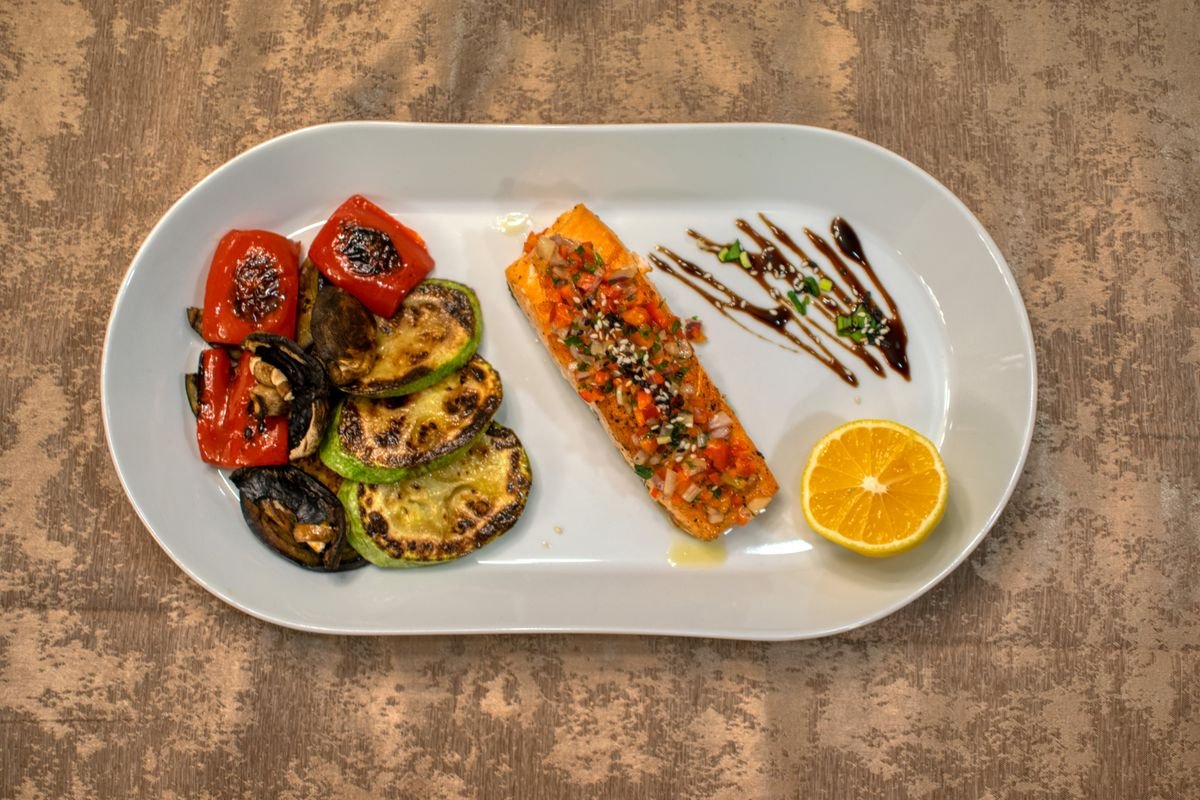
The best foods during menopause protect your heart, bones and muscle while keeping you full: vegetables, fruit, whole grains, beans, fish, olive oil, nuts, and calcium-rich foods such as yogurt or fortified soy milk. A Mediterranean-style pattern covers most of this. No single food fixes symptoms, but your overall way of eating matters a great deal.
| Food group | Why it helps in menopause | Simple target |
|---|---|---|
| Vegetables and fruit | Fiber and nutrients for few calories | At least 4 servings of vegetables and 2 to 3 of fruit a day |
| Whole grains and beans | Fiber keeps you full and supports healthy cholesterol | 21 g of fiber a day after 50 |
| Fish | Protein and heart-healthy fats | 2 to 3 times a week |
| Eggs, yogurt, poultry, tofu | Protein to protect muscle | About 15 to 30 g of protein per meal |
| Calcium-rich foods | Bone protection as estrogen falls | 1,200 mg of calcium a day after 50 |
| Olive oil, nuts, seeds | Unsaturated fats in place of saturated fats | Olive oil as your main fat; nuts a few times a week |
| Soy foods | May slightly ease hot flashes | Tofu, edamame or soy milk a few times a week |
Why does what you eat matter more during menopause?
Menopause changes how your body stores fat and uses energy. Mayo Clinic explains that hormonal changes make weight gain around the belly more likely, that muscle mass declines with age, and that many women in their 50s need about 200 fewer calories a day than in their 30s and 40s to keep the same weight.
At the same time, falling estrogen affects your heart and bones. That means the same plate now has to do more: keep you full on fewer calories, give you enough protein for muscle, enough calcium for bone, and fats that are kind to your heart. The good news is that one eating pattern handles most of this.
Which foods protect your heart?
Mayo Clinic’s guide to the Mediterranean diet describes a pattern built on vegetables, fruit, whole grains, beans and extra virgin olive oil, with fish two to three times a week, nuts often, and red meat only now and then. Mayo notes that replacing saturated fat with unsaturated fat, such as olive oil, helps lower heart disease risk.
The research is encouraging but not perfect. Wikipedia’s summary of the Mediterranean diet notes reviews linking it to lower heart disease risk and lower risk of type 2 diabetes, while a 2019 Cochrane review found uncertainty about its effect on heart disease itself. Most of the evidence comes from observational studies, which show links rather than proof. Even so, it is one of the best studied ways of eating. Our guide to the Mediterranean diet during menopause goes deeper.
Easy heart-friendly swaps
- Cook with olive oil instead of butter.
- Swap one red meat dinner a week for salmon, sardines or beans.
- Choose whole grain bread, brown rice or oats over white versions.
- Snack on a small handful of unsalted nuts instead of chips.
Which foods help with menopause weight and belly fat?
Fiber and protein are your two best tools, because both help you feel full on fewer calories. Mayo Clinic’s menopause weight advice is to choose whole foods rich in fiber and protein, cut back on added sugars, and limit alcohol.
Fiber: 21 grams a day after 50
Mayo Clinic’s fiber guide recommends about 21 g a day for women over 50 and 25 g for women 50 or younger. Soluble fiber, found in oats, beans, apples and barley, can lower LDL cholesterol, slow the absorption of sugar and help you feel full. Mayo advises adding fiber slowly over a few weeks and drinking plenty of water to avoid gas and bloating. Our article on fiber for women over 50 lists easy sources.
One woman, 52, noticed her waist growing even though she was eating the same as always. Instead of a strict diet, she made three swaps: oats with berries and yogurt instead of a pastry, a bean and vegetable soup at lunch, and fish for dinner twice a week. Her fiber rose from about 12 g to over 21 g a day, she felt fuller through the afternoon, and her evening snacking eased off.

How much protein do you need, and where should it come from?
Protein helps you hold on to muscle, which keeps your metabolism and strength up. The Mayo Clinic Health System suggests adults in midlife aim for about 1 to 1.2 g of protein per kilogram of body weight a day, spread evenly as about 15 to 30 g per meal. For a 150 lb woman, that is roughly 68 to 82 g a day.
Good menopause-friendly protein foods include eggs, Greek yogurt, cottage cheese, fish, chicken, beans, lentils, tofu and edamame. Many women eat little protein at breakfast and a lot at dinner, so adding eggs or yogurt in the morning is often the easiest fix. Our guide to protein after 45 has more ideas.
Which foods protect your bones?
Bone loss speeds up after menopause, so calcium and vitamin D move up the list. The NIH calcium fact sheet sets the target at 1,200 mg a day for women over 50 and lists some of the richest sources:
- Plain low-fat yogurt: 415 mg per 8 oz
- Canned sardines with bones: 325 mg per 3 oz
- Nonfat milk or fortified soy milk: 299 mg per cup
- Firm tofu made with calcium sulfate: 253 mg per 1/2 cup
- Cooked kale: 94 mg per cup
Oily fish such as salmon also gives you vitamin D, which helps you absorb calcium. Our guide to calcium and vitamin D after 50 explains how much you need and when a supplement makes sense.
Can any foods ease hot flashes?
Soy gets the most attention. The NIH National Center for Complementary and Integrative Health says soy isoflavones or soy protein may help reduce how often and how strongly hot flashes happen, but the effect appears small and results are not consistent. It also notes soy isoflavones probably have a beneficial effect on bone density after menopause. Tofu, tempeh, edamame and soy milk are easy ways to include soy. See our article on whether soy helps menopause for the details.
Many women also notice that certain foods or drinks, such as alcohol, caffeine or spicy dishes, seem to set off their hot flashes. Keeping a simple diary for two weeks can help you spot your own triggers.
Which foods should you limit during menopause?
- Added sugars. Sweets, sugary drinks and pastries add calories without keeping you full.
- Alcohol. Mayo Clinic lists limiting alcohol as part of managing menopause weight, and it can disturb sleep.
- Red and processed meats. The Mediterranean pattern keeps these to small, occasional portions.
- Refined grains. White bread, white rice and many snack foods are low in fiber and easy to overeat.
You do not have to cut any of these completely. Making them occasional rather than daily is a realistic goal. For a ready-made week of meals, try our 7-day menopause meal plan.
When to talk to your doctor
See your doctor if you are gaining or losing weight quickly without a clear reason, if you have high cholesterol, high blood pressure or blood sugar concerns, or if hot flashes are disrupting your sleep and daily life. A registered dietitian can also help you build a plan around any health conditions or medicines.
What does a menopause doctor say about diet and symptoms?
In this video, Cleveland Clinic physician Lynn Pattimakiel, MD, explains whether adjusting your diet can ease menopause symptoms.
What helps you cook menopause-friendly meals at home?
Cooking at home makes it much easier to eat more vegetables, beans and fish. Our picks:
- The Complete Mediterranean Cookbook (America’s Test Kitchen): Hundreds of tested recipes built on vegetables, beans, fish and olive oil. Check price on Amazon
- The Fiber Fueled Cookbook by Will Bulsiewicz, MD: Plant-forward recipes that make it easier to reach your daily fiber target. Check price on Amazon
- Stainless Steel Vegetable Steamer Basket: A simple, inexpensive way to cook vegetables quickly without added fat. Check price on Amazon
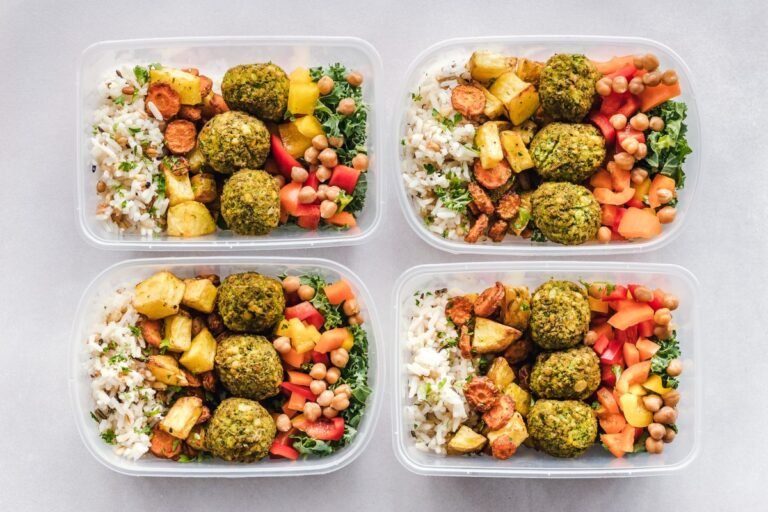
- M MCIRCO Glass Meal Prep Containers: Batch cook grains, beans and roasted vegetables on the weekend for quick lunches. Check price on Amazon
Frequently asked questions
What is the best breakfast during menopause?
A breakfast with both protein and fiber keeps you full longest. Greek yogurt with berries and oats, eggs with whole grain toast and vegetables, or tofu scramble with spinach all work. Aim for about 15 to 30 g of protein.
Should I avoid carbs during menopause?
No. Whole grains, beans, fruit and vegetables are carbohydrates and are some of the most helpful foods at this stage. The carbs worth limiting are added sugars and refined grains, which are easy to overeat and do little to keep you full.
Do I need special menopause supplements?
Most women can meet their needs with food. Some may need vitamin D or a small calcium top-up, ideally guided by their doctor. Be wary of products that promise to balance hormones, since the evidence for most of them is weak.
How quickly will changing my diet help?
Some changes, like feeling fuller with more fiber and protein, show up within days. Weight, cholesterol and blood sugar improvements usually take a few months. Pairing better food with regular walking and strength training gives you the best results.
Sources and further reading
- The reality of menopause weight gain, Mayo Clinic
- Mediterranean diet for heart health, Mayo Clinic
- Dietary fiber: Essential for a healthy diet, Mayo Clinic
- Are you getting enough protein?, Mayo Clinic Health System
- Calcium: Fact Sheet for Health Professionals, NIH Office of Dietary Supplements
- Soy, National Center for Complementary and Integrative Health
- Mediterranean diet, Wikipedia
A quick note: this is general health and fitness information, not medical advice. Talk with your doctor before starting a new exercise program or changing any treatment.

One Comment