Midlife Weight Management Meals: 10 Easy Dinners That Keep You Full
This article contains affiliate links. As an Amazon Associate, we earn from qualifying purchases, at no extra cost to you. Learn more.
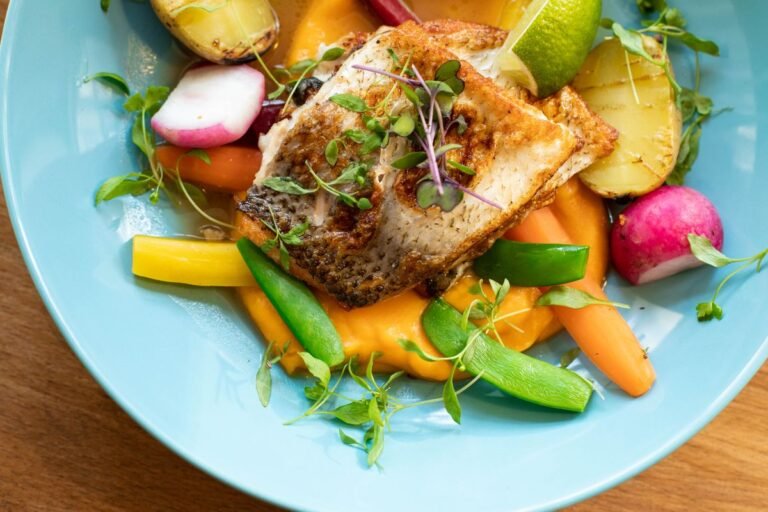
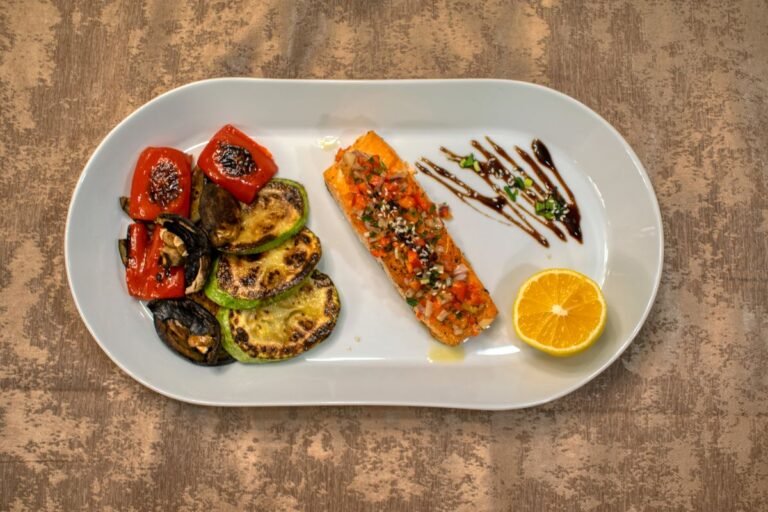
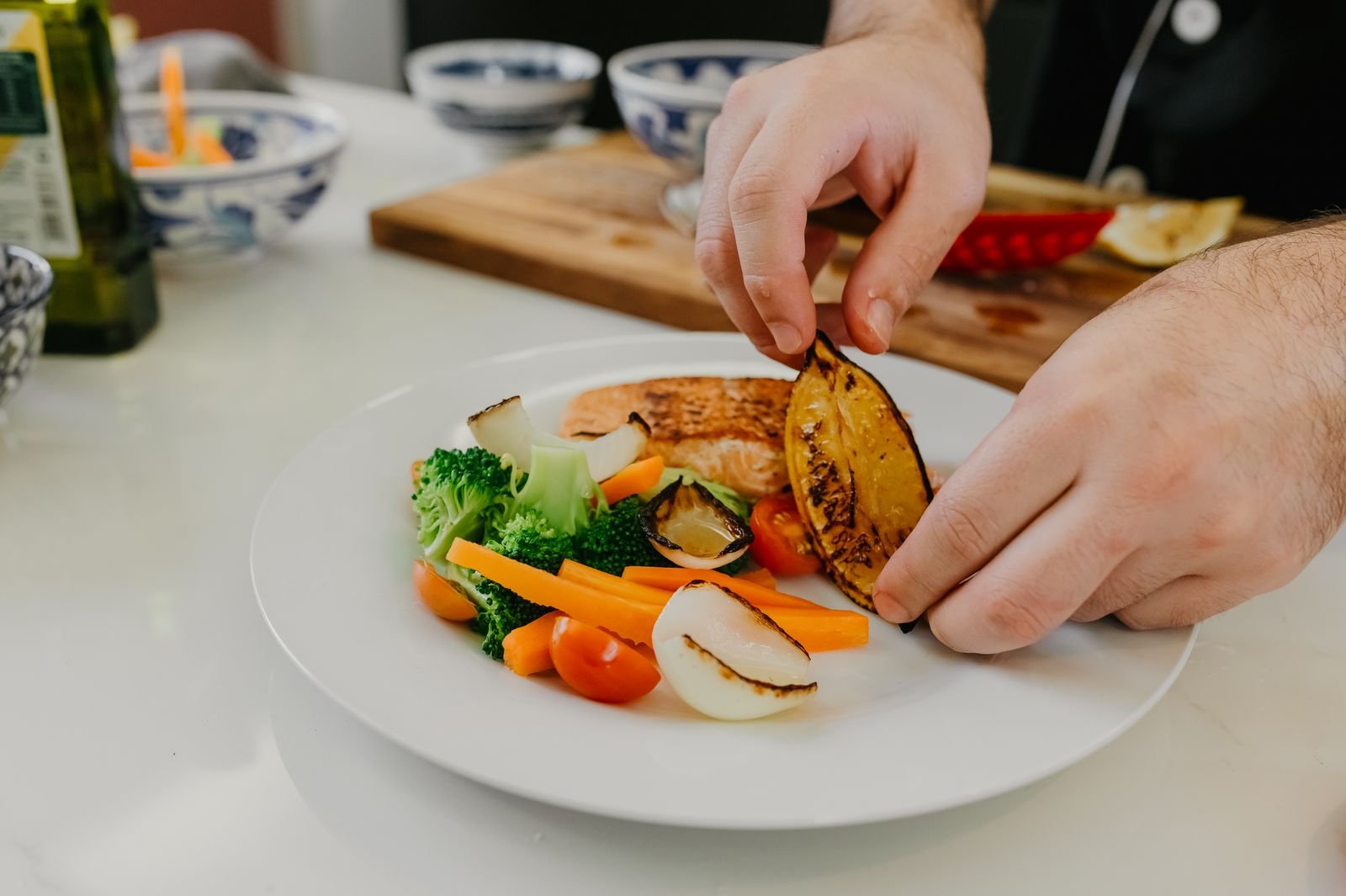
Meals that help with midlife weight management follow a simple formula: a palm-sized portion of protein, half the plate vegetables, a fist of fiber-rich carbs such as beans or whole grains, and a thumb of healthy fat. Protein and fiber keep you full, and vegetables add volume for few calories. That makes portions easier to manage without counting every calorie or giving up foods you enjoy.
| Part of the plate | Rough portion | Examples |
|---|---|---|
| Protein | About your palm | Chicken, fish, tofu, eggs, lean beef, Greek yogurt |
| Vegetables | Half the plate | Roasted, steamed, stir-fried or salad |
| Fiber-rich carbs | About your fist | Beans, lentils, brown rice, quinoa, potatoes with skin |
| Healthy fat | About your thumb | Olive oil, avocado, nuts, seeds |
What makes a dinner good for midlife weight management?
Three things: it fills you up, it has enough protein, and it does not pack a huge number of calories into a small amount of food.
Volume: eat foods with low energy density
Mayo Clinic explains energy density as the number of calories in a given amount of food. Low-density foods let you eat a satisfying plate for fewer calories. One cup of raisins has about 480 calories, while one cup of grapes has about 104.
Vegetables, fruit, whole grains, lean protein and legumes are all low in energy density. Mayo Clinic suggests a simple swap: shrink the meat portion a little and add more vegetables.
Protein: the most filling nutrient
Protein helps you feel satisfied. Protein and fat trigger a gut hormone called CCK, which slows digestion and increases the feeling of fullness. A stretched stomach sends fullness signals too, which is why a big plate of vegetables helps.
Fiber: slower, steadier fullness
Mayo Clinic notes that high-fiber foods tend to be more filling than low-fiber foods and often have fewer calories for the same volume. Women over 50 should aim for about 21 grams of fiber a day. Our guide to fiber for women over 50 has easy ways to get there.
How much protein should dinner have after 45?
More than many women eat. Harvard Health notes that healthy older adults need about 1.2 grams of protein per kilogram of body weight per day. That is higher than the basic adult minimum, because muscle becomes harder to keep with age.
Here is the math for one example. A woman who weighs 150 pounds (about 68 kg) would aim for roughly 80 grams of protein a day. Spread over three meals, that is around 25 to 30 grams each. A palm-sized piece of chicken, fish or tofu at dinner gets you most of the way.
Protein at dinner also supports your strength training. See protein after 45 for a full breakdown, and high-protein snacks for filling the gaps.
What are 10 easy dinners that keep you full?
Each one follows the plate formula above. Most take 30 minutes or less, or cook hands-off.
| Dinner | Protein | Vegetables | Fiber-rich carb |
|---|---|---|---|
| 1. Sheet-pan chicken thighs | Chicken | Broccoli, red onion | Chickpeas roasted on the same pan |
| 2. Baked salmon | Salmon | Roasted green beans | Small baked potato with skin |
| 3. Slow-cooker turkey chili | Ground turkey | Peppers, tomatoes, onion | Kidney and black beans |
| 4. Shrimp stir-fry | Shrimp | Frozen stir-fry vegetables | Brown rice |
| 5. Greek chicken bowls | Chicken, yogurt sauce | Cucumber, tomato, greens | Quinoa |
| 6. Lentil vegetable soup | Lentils, side of cottage cheese | Carrots, celery, spinach | Lentils double as the carb |
| 7. Tofu vegetable curry | Firm tofu | Cauliflower, peas, spinach | Small portion of rice |
| 8. Vegetable frittata | Eggs | Peppers, zucchini, big side salad | Slice of whole-grain toast |
| 9. Pulled chicken lettuce wraps | Slow-cooked chicken | Lettuce cups, slaw | Black beans |
| 10. Beef and vegetable kebabs | Lean beef | Peppers, onion, mushrooms | Bulgur tabbouleh |
Quick tips for each style
- Sheet-pan dinners (1, 2, 10): cut everything to a similar size so it cooks evenly. Roast at a high heat until edges brown.
- Slow-cooker dinners (3, 9): load it in the morning. Make a double batch and freeze half.
- Stir-fries and curries (4, 7): frozen vegetables are just as useful as fresh and save chopping.
- Soups (6): soup before or as a meal adds volume for few calories.
For a full week of breakfasts, lunches and dinners, see the 7-day menopause meal plan.
How do you make these dinners work on busy nights?
Planning beats willpower. A few habits make healthy dinners the easy choice:
- Cook protein twice a week: roast a tray of chicken thighs on Sunday and Wednesday.
- Stock the freezer: frozen vegetables, shrimp and fish fillets keep for months.
- Stock the pantry: canned beans, lentils, tomatoes, brown rice and quinoa.
- Portion leftovers right away: pack tomorrow’s lunch before you sit down to eat.
- Keep a short rotation: five dinners you like beat thirty you never make.
What does a realistic week look like?
One woman might be 52, working full time and frustrated by a slowly expanding waist. On Sunday she makes turkey chili in the slow cooker and roasts a sheet pan of chicken and vegetables. Monday and Tuesday are chili and chicken bowls. Wednesday is salmon and green beans. Thursday is a frittata. Friday is a shrimp stir-fry. She stops snacking after dinner because she is genuinely full, and over two months her waist measurement drops.
How big should your portions be?
The hand guide in the table is a starting point, not a rule. Your hands are roughly in proportion to your body. Adjust from there based on your hunger and your progress.
Mayo Clinic suggests reducing portions at home, sharing restaurant meals or saving half for later. It also recommends swapping sugary drinks for water or unsweetened drinks.
Waist size matters more than the scale in midlife. Mayo Clinic notes that body fat tends to shift to the abdomen after menopause. For women, a waist over 35 inches signals excess belly fat. Read more in why menopause causes belly fat.
Do you need to cut carbs after menopause?
No. You may do better with smaller portions of carbs, but fiber-rich carbs belong on the plate. Beans, lentils, whole grains and potatoes with skin add fiber and keep you full.
What helps most is choosing whole grains over refined ones, which Mayo Clinic also recommends. If you increase fiber, Mayo Clinic advises doing it slowly over a few weeks and drinking plenty of water to limit bloating.
What else matters besides what you eat for dinner?
Food is one part of the picture. Mayo Clinic’s belly fat advice pairs eating changes with movement:
- At least 150 minutes a week of moderate activity, such as brisk walking
- Strength training at least twice a week
- Slow, steady weight loss rather than crash diets
Our guide to losing menopause belly without extreme dieting puts food and exercise together.
Want to see what a full day of balanced meals looks like?
Mayo Clinic Press walks through a sample menu from the Mayo Clinic Diet, built on the same vegetables, lean protein and whole foods approach.
What makes these dinners easier to cook?
A sheet pan and a slow cooker do most of the work, and good containers make leftovers into lunches. Our picks:
- Nordic Ware Half Sheet Pan: A sturdy pan for roasting protein and vegetables together, which covers three of the ten dinners. Check price on Amazon
- Crock-Pot 6-Quart Slow Cooker: Big enough for a double batch of chili or pulled chicken, so you cook once and eat twice. Check price on Amazon
- M MCIRCO Glass Meal Prep Containers: Oven and microwave safe glass containers for portioning leftovers into ready lunches. Check price on Amazon
- The Complete Mediterranean Cookbook (America’s Test Kitchen): Tested recipes built on vegetables, legumes, fish and olive oil, for when your dinner rotation needs new ideas. Check price on Amazon
Frequently asked questions
What should I eat for dinner to lose weight in midlife?
Build dinner around a palm of protein and half a plate of vegetables. Add a fist of fiber-rich carbs and a little healthy fat. This keeps you full without strict calorie counting.
How much protein should dinner have?
Around 25 to 30 grams works for most women over 45. Harvard Health notes that healthy older adults need about 1.2 grams per kilogram of body weight per day, spread across meals.
Do I need to cut carbs after menopause?
No. Smaller portions of fiber-rich carbs such as beans, lentils and whole grains fit well. Cutting back on refined carbs and sugary drinks usually helps more.
Is it bad to eat a big dinner?
What matters most is your total intake across the day. Many women find a balanced dinner that truly fills them up stops late-evening snacking.
How fast should I expect results?
Slow and steady is the goal. Track your waist measurement and how your clothes fit every few weeks rather than weighing daily.
Sources and further reading
- Weight loss: Feel full on fewer calories, Mayo Clinic
- Dietary fiber: Essential for a healthy diet, Mayo Clinic
- Belly fat in women: Taking and keeping it off, Mayo Clinic
- The power of protein, Harvard Health Publishing
- Satiety, Wikipedia
A quick note: this is general health and fitness information, not medical advice. Talk with your doctor before starting a new exercise program or changing any treatment.