Protein After 45: How Much You Need and Easy High-Protein Meals
If there is one nutrition change that pays off the most for women over 45, it is eating more protein. Not shakes for every meal, not an obsessive gram-counting project. Just a steady, realistic increase in the protein you eat across the day. Most women in midlife eat less protein than their bodies would like, especially at breakfast.
Why do protein needs rise with age?
Protein is the building material your body uses to maintain and repair muscle. After 45, maintaining muscle gets harder for two reasons.
First, your body becomes a little less efficient at using protein to maintain muscle. The practical upshot: you may need somewhat more protein than you did at 30 to get the same muscle-maintaining effect.
Second, menopause accelerates muscle loss. Estrogen plays a role in muscle maintenance, and as it declines, many women lose muscle faster unless they push back with strength training and enough protein. Less muscle means less strength, less stability, and a slightly lower daily energy burn.
Protein also helps with satiety. Many women find that a protein-rich breakfast keeps them satisfied until lunch in a way that toast and coffee never did, which makes the rest of the day’s eating easier without any white-knuckling.
This is not an argument for extreme high-protein diets. It is an argument for making protein the anchor of each meal.
How much protein do women over 45 need each day?
Standard guidelines suggest around 0.8 grams of protein per kilogram of body weight per day for adults, but researchers who study aging and muscle maintenance often suggest active adults over 45 may do better with somewhat more, roughly 1.0 to 1.2 grams per kilogram.
In practice, for most women, that means:
- Roughly 65 to 100 grams of protein per day for a woman who weighs 140 to 180 pounds (about 64 to 82 kg), spread across meals. Smaller women toward the lower end, larger or very active women toward the higher end.
- About 25 to 35 grams per meal. Your body uses protein most effectively when intake is spread through the day rather than loaded into one giant dinner.
- Think direction, not prescription. If you currently get 50 grams a day, moving to 80 is a meaningful win.
If you have kidney disease or another condition affecting how you process protein, talk to your doctor before increasing your intake.
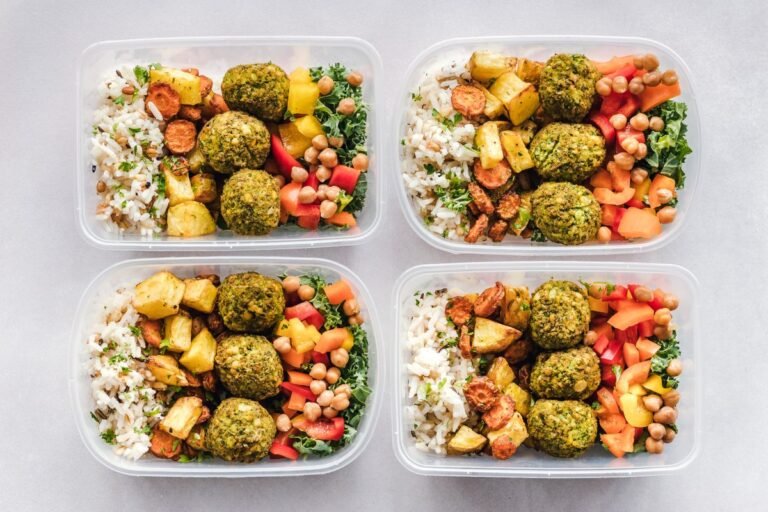
16 Easy High-Protein Meals and Snacks (With Grams)
Approximate protein per realistic serving.
Breakfasts
- Greek yogurt bowl (3/4 cup Greek yogurt, berries, a spoonful of nuts): about 20g. Choose plain yogurt and add your own fruit.
- Two-egg veggie scramble with cheese (2 eggs, spinach, 1 oz cheese, whole grain toast): about 22g.
- Cottage cheese toast (1/2 cup cottage cheese on whole grain toast with tomato): about 18g.
- Overnight oats (1/2 cup oats, 1/2 cup Greek yogurt, milk, chia seeds, fruit): about 20g.
Lunches
- Big salad with chicken or tuna (4 oz chicken or a can of tuna, vegetables, olive oil dressing): about 30g.
- Turkey and cheese wrap (whole wheat tortilla, 4 oz turkey, cheese, veggies): about 28g.
- Quinoa bowl with black beans and feta (1 cup cooked quinoa, 3/4 cup black beans, 1 oz feta): about 20g.
- Lentil soup (2 cups, with a sprinkle of parmesan): about 18g.
Dinners
- Sheet-pan chicken and vegetables (5 oz chicken, roasted broccoli, sweet potato): about 30g. One pan, minimal cleanup.
- Salmon with asparagus and quinoa (5 oz fillet): about 32g.
- Turkey chili (ground turkey, beans, tomatoes; freeze portions): about 28g per bowl.
Snacks
- Hard-boiled eggs (2 eggs): about 12g. Batch-cook a half dozen on Sunday.
- Edamame (1 cup shelled, lightly salted): about 17g.
- Cottage cheese with fruit (3/4 cup): about 20g.
- Tuna pouch on whole grain crackers: about 20g.
- Protein smoothie (milk, frozen berries, Greek yogurt or a scoop of protein powder, peanut butter): about 25g.
What are the best vegetarian protein sources?
You do not need meat to hit your targets, but it takes a little more planning since plant proteins come in smaller doses per serving.
- Lentils (1 cup cooked): about 18g. Red lentils cook in 15 minutes with no soaking.
- Tempeh (4 oz): about 20g. Crumble into pasta sauce or pan-fry in slices.
- Extra-firm tofu (1/2 block): about 20g. Press, cube, and roast until crispy.
- Chickpeas (1 cup cooked): about 15g. Roast for a crunchy snack or blend into hummus.
- Quinoa (1 cup cooked): about 8g. Use as a base and add beans or cheese.
- Greek yogurt and cottage cheese (if you eat dairy): among the easiest high-protein foods that exist.
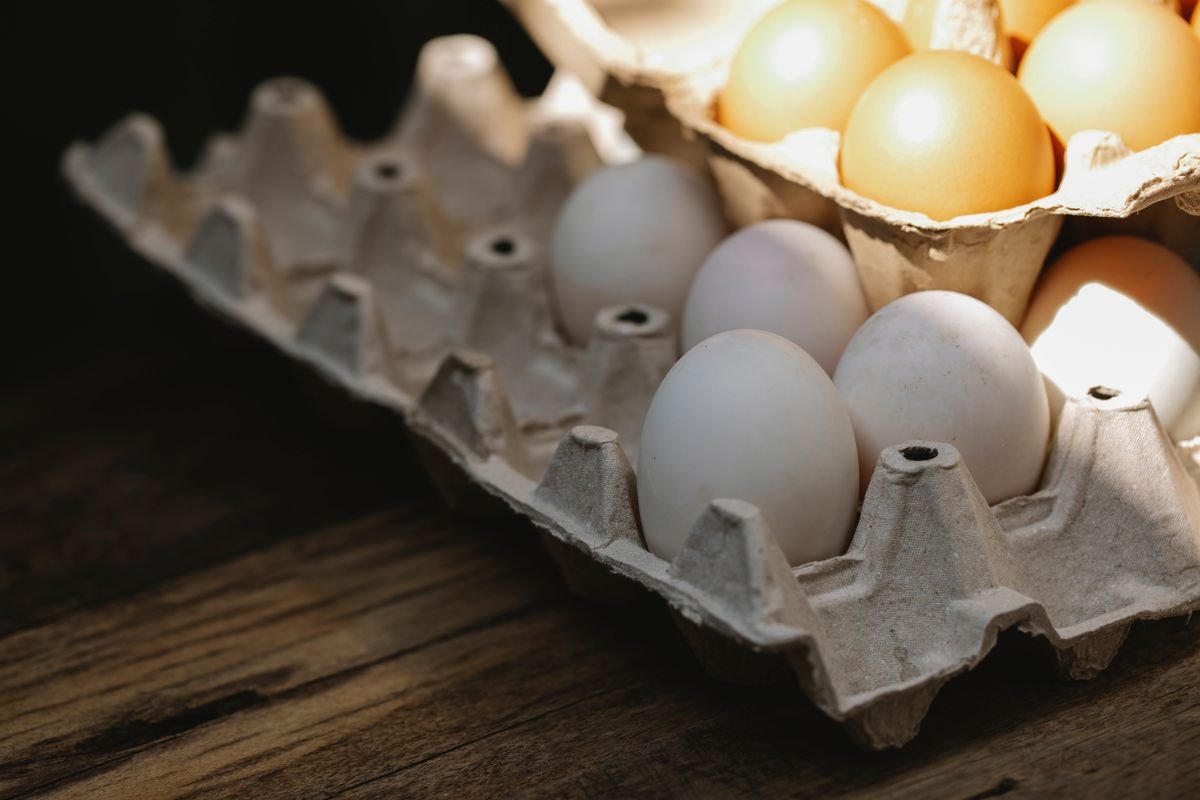
- Eggs: about 6g each, endlessly versatile.
Useful habit: pair a legume with a grain or dairy at the same meal (beans and rice, lentil soup with yogurt, hummus on whole grain pita) and the protein adds up fast.
What does a high-protein day look like?
What roughly 100 grams looks like in a normal day:
- Breakfast: Greek yogurt bowl with berries and walnuts (20g)
- Snack: Two hard-boiled eggs (12g)
- Lunch: Big salad with 4 oz chicken and a whole grain roll (32g)
- Snack: Cottage cheese with peach slices (20g)
- Dinner: Sheet-pan salmon with asparagus and quinoa (30g)
Total: about 114 grams across five relaxed eating occasions. Nothing extreme, nothing you would not serve to family.
How can you eat more protein on a budget?
- Eggs, dried beans, and lentils are the budget champions for protein per dollar.
- Buy chicken thighs instead of breasts, and whole chickens instead of parts.
- Large tubs of cottage cheese and plain Greek yogurt cost far less per serving than single cups.
- Frozen fish and frozen edamame are just as nutritious as fresh and often half the price.
- Cook once, eat twice. A big pot of turkey chili or lentil soup gives you four or five high-protein meals for the effort of one.
Start with breakfast. Most women eat the least protein in the morning and the most at dinner, which is backwards for muscle maintenance. Shifting even 10 to 15 grams from dinner to breakfast is a small change your body will notice. (Related: A Realistic 7-Day Menopause-Friendly Meal Plan)
Frequently asked questions
How much protein should a woman over 45 eat per day?
Researchers who study aging often suggest about 1.0 to 1.2 grams per kilogram of body weight. For a woman who weighs 140 to 180 pounds, that is roughly 65 to 100 grams a day, ideally 25 to 35 grams per meal.
Who should be careful about eating more protein?
If you have kidney disease or another condition that affects how your body processes protein, talk to your doctor before increasing your intake.
Can vegetarians get enough protein after 45?
Yes, with a little planning. Lentils, tofu, tempeh, chickpeas, Greek yogurt, cottage cheese, and eggs all help, and pairing a legume with a grain or dairy at the same meal adds up fast.
Is it better to spread protein through the day?
Yes. Your body uses protein most effectively when it is spread across meals rather than loaded into one large dinner. Breakfast is where most women fall shortest.
Do I need protein shakes?
No. Everyday foods can cover your needs. A shake is simply a convenient option on busy days.
Sources and further reading
- Evidence-based recommendations for optimal dietary protein intake in older people (PROT-AGE), Journal of the American Medical Directors Association, 2013
- Dietary Guidelines for Americans, U.S. Departments of Agriculture and Health and Human Services
A quick note: this is general wellness information, not medical advice. If you have a health condition, take medication, or are starting a new exercise or eating routine, check in with your doctor first.