Does Soy Help With Menopause Symptoms?
This article contains affiliate links. As an Amazon Associate, we earn from qualifying purchases, at no extra cost to you. Learn more.
Soy may ease hot flashes a little for some women, but the research is inconsistent, so it is not a dependable treatment. Where soy clearly earns its place after 45 is on your plate: tofu, tempeh, edamame and soybeans are complete proteins that help you reach the 25 to 30 grams per meal that protect muscle, and soy foods are safe for most women.
| Question | Short answer |
|---|---|
| Does soy stop hot flashes? | Sometimes a small effect, results are mixed |
| Is soy good protein for muscle? | Yes, it is a complete protein |
| Does soy help bones? | Possibly a modest benefit from isoflavones, not a substitute for exercise |
| Do soy foods raise breast cancer risk? | No, according to Mayo Clinic |
| Foods or supplements? | Foods first; supplements have less safety data |
Why do people think soy helps with menopause?
Soybeans contain isoflavones, plant compounds grouped with the phytoestrogens. Their shape resembles estrogen, so they can attach to some of the same receptors in the body. The effect is much weaker than your own estrogen.
According to Wikipedia’s overview of isoflavones, these compounds come mostly from legumes, and soybeans are the richest common source. Because hot flashes are tied to falling estrogen, researchers have tested whether a weak plant version could take the edge off.
The idea also comes from geography. The Harvard Nutrition Source notes that 70 to 80 percent of menopausal women in the United States report hot flashes, compared with 10 to 20 percent of women in parts of East Asia, where soy is a daily food. That gap is interesting, but diet is only one of many differences between those groups.
What does the research actually show for hot flashes?
The honest answer is: a small effect at best, and not for everyone.
- The National Center for Complementary and Integrative Health says soy isoflavone supplements or soy protein may reduce how often and how hard hot flashes hit, but the effect may be small and results have not been consistent.
- Its fact sheet on menopausal symptoms describes the studies of soy isoflavones as having inconsistent results.
- Harvard’s review mentions trials using 30 milligrams or more of genistein, one soy isoflavone, that reported fewer flashes, without strong, consistent benefit across studies.
What about the trial that cut hot flashes by 88 percent?
You may have seen headlines about a plant-based diet with soybeans. In the WAVS randomized trial, 84 postmenopausal women were assigned either to a low-fat vegan diet with half a cup (86 grams) of cooked soybeans daily or to no change. After 12 weeks, moderate to severe hot flashes fell 88 percent in the diet group and 34 percent in the control group.
That sounds impressive, but the details matter. The study was short and small. Women knew which group they were in, so placebo effects cannot be ruled out. The diet group also lost about 3.6 kilograms, so it is impossible to say how much came from soy versus weight loss or the overall diet. The study was funded by an organization led by the lead author. Treat it as a promising signal, not proof.
Why is soy worth eating if you lift weights after 45?
This is where soy is genuinely useful. As you get older, your muscles respond less to small doses of protein, a change researchers call anabolic resistance. A 2025 review, Protein and Aging: Practicalities and Practice, suggests healthy older adults eat at least 1.0 to 1.2 grams of protein per kilogram of body weight a day. It adds that 25 to 30 grams per meal, from animal or plant sources alike, is enough to maximize muscle building.
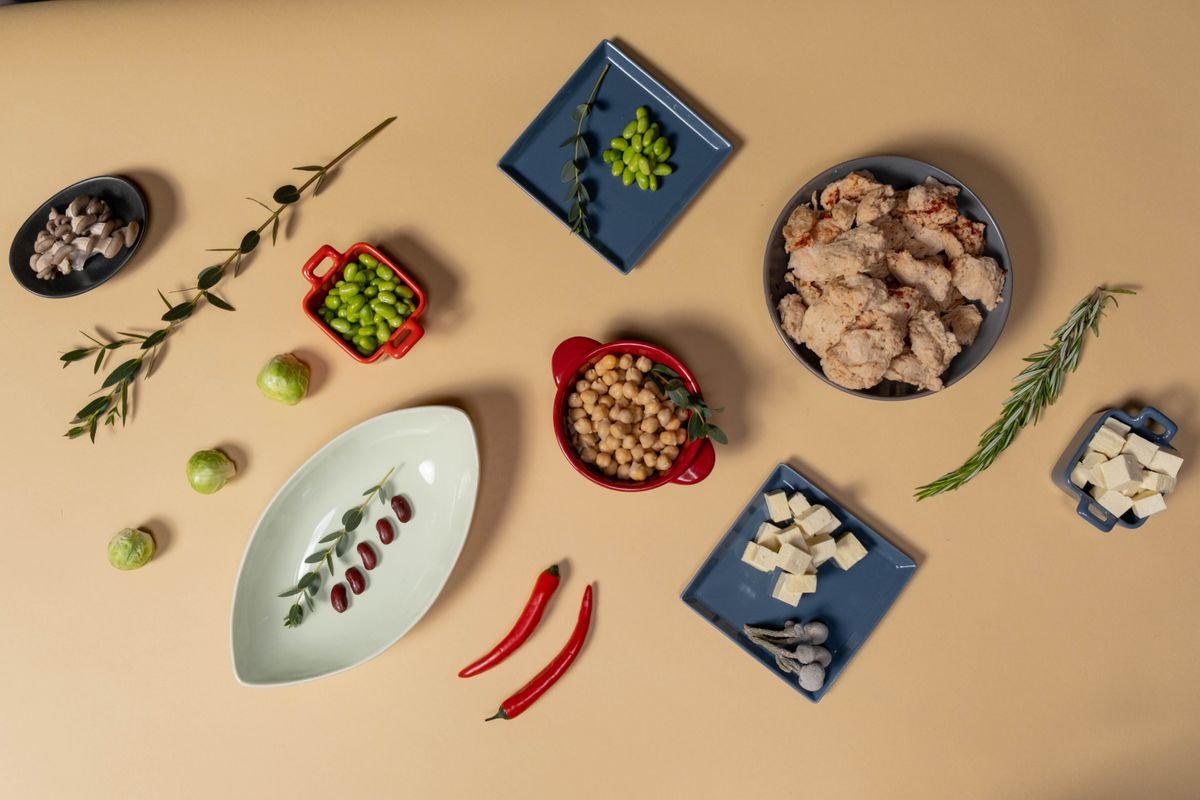
Soy protein is complete, meaning it supplies all nine essential amino acids. That makes it one of the easiest plant proteins to build a meal around. Here is how common soy foods compare, using figures from the Harvard Nutrition Source.
| Soy food | Serving | Protein | Isoflavones |
|---|---|---|---|
| Soybeans, boiled | 1/2 cup | 15 g | 55 mg |
| Natto | 3 oz | 14 g | 70 mg |
| Tempeh, cooked | 3 oz | 13 g | 30 mg |
| Edamame, boiled | 1/2 cup | 11 g | 16 mg |
| Tofu, soft | 3 oz | 8 g | 20 mg |
| Soy milk | 1 cup | 7 g | 6 mg |
Brands vary, and firmer tofu packs more protein than soft, so check labels. For more ways to hit your daily number, see our guide to how much protein you need after 45.
What does a soy-powered training day look like?
One woman might weigh 150 pounds, about 68 kilograms. Her target is roughly 68 to 82 grams of protein a day. On a day she does her strength workout, she could eat:
- Breakfast: a tofu scramble with spinach and one egg, about 20 grams.
- Lunch: a grain bowl with 3 ounces of tempeh and half a cup of edamame, about 24 grams.
- Snack: a latte made with a cup of soy milk, about 7 grams.
- Dinner: salmon or chicken with vegetables, about 25 grams.
That lands near 76 grams without a shake. Soy does not need to replace meat or dairy. It simply adds options. Our list of high-protein snacks for women over 50 has more ideas.
Can soy help your bones and heart after menopause?
Bones
NCCIH says soy isoflavones probably benefit bone density in postmenopausal women. The effect is modest. It does not replace the things that clearly protect bone: impact and strength exercise, enough calcium and vitamin D, and not smoking. Our guide to exercises that protect your bones after 45 covers the training side. Calcium-set tofu, made with calcium sulfate, also adds calcium, so check the ingredient list.
Heart
The heart story has cooled over time. Harvard reports that a 1995 analysis found about 50 grams of soy protein a day lowered LDL cholesterol by 12.9 percent. Later reviews put the drop closer to 3 percent, and in 2017 the FDA proposed revoking its soy heart health claim. NCCIH adds that replacing other proteins with soy protein may lower cholesterol slightly.
The practical takeaway: swapping some red or processed meat for tofu, tempeh or beans is a reasonable heart-friendly move, but soy alone will not fix rising cholesterol. Read why cholesterol goes up after menopause for the bigger picture.
Is soy safe if you are worried about breast cancer?
For soy foods, the evidence is reassuring. Mayo Clinic explains that eating soy foods does not raise breast cancer risk, and population research suggests it may lower it. NCCIH notes that higher soy intake was linked with lower breast cancer risk in Asian and Asian American women.
Supplements are different. Mayo Clinic says it is not known whether soy supplements are safe for women who have had breast cancer or are at high risk. NCCIH adds that soy supplements have not been shown to reduce breast cancer risk.
Who should check with a doctor first?
- Women with a personal or strong family history of breast cancer, blood clots or heart disease, especially before trying isoflavone pills.
- Anyone taking a monoamine oxidase inhibitor (MAOI) antidepressant. NCCIH warns that soy foods high in tyramine, such as some tofu and soy sauce, have been linked to dangerous blood pressure spikes with these drugs.
- Anyone with a soy allergy.
Mild side effects from larger amounts can include bloating, constipation, diarrhea or nausea. Adding soy gradually usually helps.
Should you choose soy foods or isoflavone supplements?
Start with foods. Whole soy foods bring protein, fiber and minerals along with isoflavones, in amounts people have eaten for generations. NCCIH reports that concentrated isoflavone extracts have only been studied safely for up to 6 months, and phytoestrogens appear safe short term, with long-term safety not established.
Supplements also skip the main benefit for an active woman: protein. A capsule of isoflavones gives you none. If your goal is stronger workouts and better recovery, a block of tofu does far more than a pill.
How much soy is reasonable?
There is no official target. Harvard says soy can be eaten safely several times a week, and probably more often, especially when it replaces red and processed meat. One or two servings a day of whole soy foods fits easily into a balanced, plant-forward pattern like the Mediterranean diet for menopause.
How can you add soy without overhauling your meals?
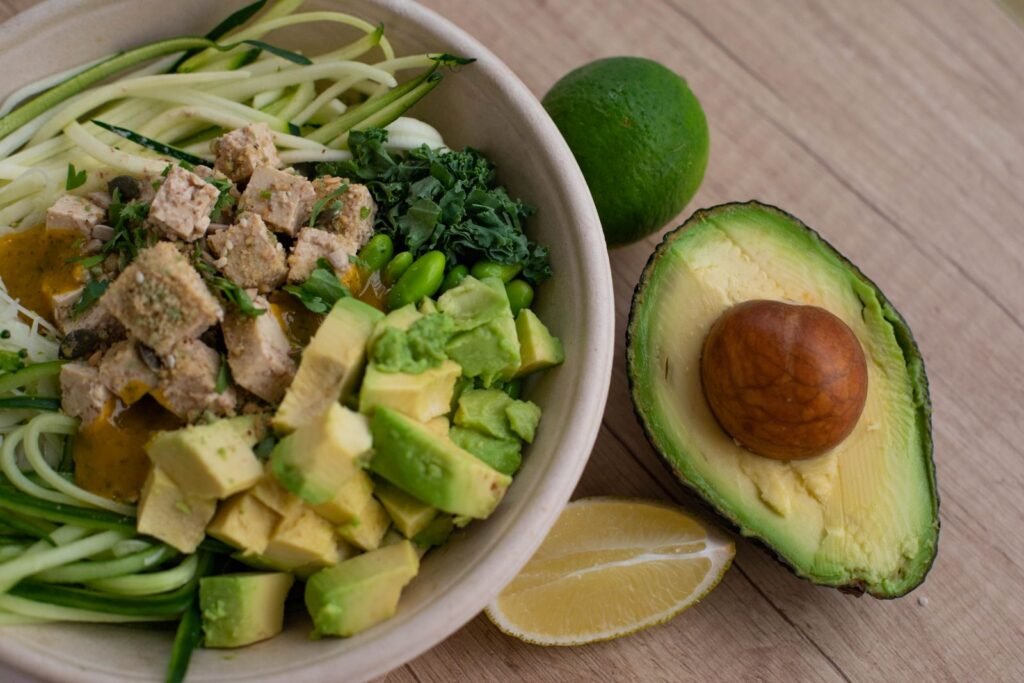
- Press and roast tofu. Cube extra-firm tofu, toss with a little oil and soy sauce, and roast at 425 degrees Fahrenheit for 25 to 30 minutes.
- Keep frozen edamame on hand. Microwave a cup for a fast snack or toss it into salads.
- Crumble tempeh into sauces. It works in chili, pasta sauce and tacos in place of half the ground meat.
- Batch-cook dried soybeans. A pressure cooker turns them into a week of salad and soup protein.
- Use soy milk in smoothies and oats. Choose an unsweetened, calcium-fortified version.
If hot flashes are your main concern, soy can be one small piece of a wider plan. Our guide on how to reduce hot flashes naturally covers the steps with better evidence.
Want a doctor to explain soy and breast cancer?
Mayo Clinic’s medical team explains in about a minute what the research says about soy foods and breast cancer risk.
What makes cooking with soy and legumes easier?
These help with the steps above: building protein-rich meals around tofu, tempeh and beans, and sorting fact from marketing. Our picks:
- The Complete Mediterranean Cookbook (America’s Test Kitchen): Tested recipes built on legumes, vegetables, fish and olive oil, a natural home for beans and soy. Check price on Amazon
- The Fiber Fueled Cookbook by Will Bulsiewicz, MD: Plant-forward recipes from a gastroenterologist, with plenty of ways to use tofu, tempeh and beans. Check price on Amazon
- Instant Pot Duo 6-Quart: Cooks dried soybeans and other legumes without soaking all day, so a week of protein is ready in one session. Check price on Amazon
- The Menopause Manifesto by Jen Gunter, MD: A gynecologist’s plain explanation of menopause myths and supplement claims, useful before you spend money on isoflavone pills. Check price on Amazon
Frequently asked questions
Does tofu help with hot flashes?
It may help some women a little, but studies of soy for hot flashes have had inconsistent results. Tofu is still a valuable, complete protein for muscle and a heart-friendly swap for red meat.
Is soy safe during menopause?
Soy foods are considered safe for most women, and Mayo Clinic says they do not raise breast cancer risk. Ask your doctor before taking concentrated isoflavone supplements, especially with a history of breast cancer, blood clots or heart disease.
Is soy protein as good as whey for building muscle?
Soy is a complete protein, and a 2025 review notes that 25 to 30 grams per meal from animal or plant sources alike can maximize muscle building in older adults. What matters most is reaching that amount at each meal and pairing it with regular strength training.
How much soy can I eat in a day?
There is no official limit. Harvard’s nutrition experts say soy foods can be eaten several times a week, and probably more often, and one or two servings a day fits a balanced diet for most women.
Sources and further reading
- Soy: Usefulness and Safety, National Center for Complementary and Integrative Health
- Menopausal Symptoms: In Depth, National Center for Complementary and Integrative Health
- Does soy really affect breast cancer risk?, Mayo Clinic
- Isoflavone, Wikipedia
- Straight Talk About Soy, The Nutrition Source, Harvard T.H. Chan School of Public Health
- A dietary intervention for vasomotor symptoms of menopause: a randomized, controlled trial, PubMed Central
- Protein and Aging: Practicalities and Practice, PubMed Central
A quick note: this is general health and fitness information, not medical advice. Talk with your doctor before starting a new exercise program or changing any treatment.