
How Much Calcium and Vitamin D Do You Need After 50?
This article contains affiliate links. As an Amazon Associate, we earn from qualifying purchases, at no extra cost to you. Learn more.
Most women over 50 need 1,200 mg of calcium and 600 IU (15 mcg) of vitamin D a day, rising to 800 IU (20 mcg) after age 70, according to the NIH. Food is the best way to get calcium. Vitamin D is harder to get from food, so some women need a supplement, ideally guided by a blood test and your doctor.
| Nutrient | Women 51 to 70 | Women 71 and older | Daily upper limit |
|---|---|---|---|
| Calcium | 1,200 mg | 1,200 mg | 2,000 mg |
| Vitamin D | 600 IU (15 mcg) | 800 IU (20 mcg) | 4,000 IU (100 mcg) |
Figures from the NIH Office of Dietary Supplements fact sheets linked below. The upper limits include food and supplements combined.
Why do calcium and vitamin D matter more after menopause?
Estrogen helps protect bone. When it falls, bone breaks down faster than it is rebuilt. The NIH osteoporosis page lists low estrogen after menopause as a key risk factor, and notes that for many women bone loss begins a year or two before the final period. According to Wikipedia’s osteoporosis article, bone loss is fastest in the first two to three years after menopause, and about one in three women over 50 will have a fracture linked to osteoporosis.
Calcium is the main mineral in bone, and vitamin D helps your gut absorb it. The NIH calcium fact sheet for consumers notes that women after menopause absorb and keep less calcium, which is why the target rises from 1,000 mg to 1,200 mg at age 51. For a wider look at what changes, see our guide to vitamin needs after menopause.
What are the best food sources of calcium?
Dairy foods are the richest and easiest sources, but there are good options if you avoid dairy. These figures come from the NIH calcium fact sheet for health professionals:
| Food | Serving | Calcium |
|---|---|---|
| Plain low-fat yogurt | 8 oz | 415 mg |
| Calcium-fortified orange juice | 1 cup | 349 mg |
| Part-skim mozzarella | 1.5 oz | 333 mg |
| Canned sardines with bones | 3 oz | 325 mg |
| Nonfat milk or fortified soy milk | 1 cup | 299 mg |
| Firm tofu made with calcium sulfate | 1/2 cup | 253 mg |
| Canned pink salmon with bones | 3 oz | 181 mg |
| Cooked kale | 1 cup | 94 mg |
Not all calcium is absorbed equally
The same NIH fact sheet says your body absorbs about 30% of the calcium in dairy and fortified foods but only about 5% from spinach, because spinach contains compounds that bind calcium. Spinach is still a healthy food. Just do not count it toward your calcium total. Kale, bok choy and broccoli are absorbed much better.
How do you get enough vitamin D?
Your skin makes vitamin D in sunlight, but that becomes less reliable with age, in winter, and if you cover up or use sunscreen. Few foods are rich in it. The NIH vitamin D fact sheet lists:
- Sockeye salmon: 447 IU per 3 oz
- Fortified orange juice: about 137 IU per cup
- Fortified milk: about 115 to 124 IU per cup
- Two sardines: 46 IU
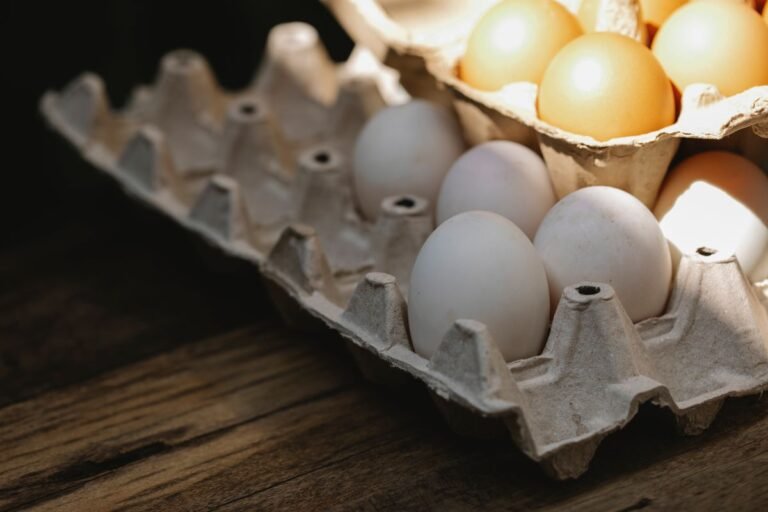
- One large egg: 41 IU
Unless you eat oily fish often, reaching 600 to 800 IU from food alone is hard. That is why many doctors suggest a vitamin D supplement for women over 50, especially in northern climates.
Should you get your vitamin D level tested?
A simple blood test measures 25-hydroxyvitamin D. According to the NIH, a level of 20 ng/mL or higher is adequate for bone health in most people, 12 to 20 ng/mL may be too low, and below 12 ng/mL is deficient. Levels above 50 ng/mL can cause problems. Testing helps you avoid both shortfall and excess, so ask your doctor whether it makes sense for you.

Do you need a calcium supplement?
Many women do not need as much as they think. Mayo Clinic says diet is the best way to get calcium, and that a supplement should fill only the gap between what you eat and what you need. Before you buy a bottle, add up a typical day.
One woman, 58, assumed she needed a 1,200 mg supplement on top of her meals. When she tracked a normal day, she had a cup of plain yogurt at breakfast (415 mg), a latte with a cup of milk (about 300 mg), a slice of cheese at lunch (about 200 mg) and leafy greens at dinner (about 100 mg). She was already near 1,000 mg. A small top-up, or one more serving of a calcium-rich food, was all she needed.
If you do take one
- Take 500 mg or less at a time. Absorption falls as the dose rises. The NIH notes about 36% of a 300 mg dose is absorbed, compared with about 28% of a 1,000 mg dose.
- Know the type. Calcium carbonate is 40% calcium by weight and is best taken with food. Calcium citrate is 21% calcium and can be taken with or without food, which may suit women who take acid-reducing medicine.
- Watch the side effects. Mayo Clinic lists gas, constipation and bloating. Mayo also notes that very high calcium intake may raise kidney and heart risks, though more research is needed.
- Do not double up. Count calcium in multivitamins, fortified foods and antacids toward your total, and stay under 2,000 mg a day.
Do calcium and vitamin D actually prevent fractures?
This is less clear than many people assume. The NIH vitamin D fact sheet says vitamin D supplements alone appear to have no effect on fractures or falls in older adults. Wikipedia summarizes a 2018 US Preventive Services Task Force review that found low-quality evidence that these supplements do not reduce fractures in people who are not deficient.
That does not mean calcium and vitamin D are unimportant. Your bones need enough of both, and a shortfall clearly harms them. It means supplements are a safety net, not a shield. Getting enough is the goal, and more is not better.
What else protects your bones after 50?
Bone responds to load. Mayo Clinic’s guide to exercising with osteoporosis explains that weight-bearing activities such as walking and stair climbing work the bones of your legs, hips and lower spine, and that strength training supports bone density. Swimming and cycling are great for your heart but do not load bone much.
- Try our bone health exercises for women over 45.
- Get enough protein, which bone and muscle both need. Our guide to protein after 45 explains how much.
- Learn your risk with our guide to bone loss and osteoporosis after menopause.
- Limit alcohol and do not smoke, both of which weaken bone.
When should you talk to your doctor?
Ask your doctor about a bone density (DEXA) scan, especially if you have broken a bone from a minor fall, have a family history of osteoporosis, have lost height, or take medicines such as long-term steroids. Talk to them before starting calcium if you have had kidney stones, and before taking high-dose vitamin D. A vitamin D shortfall can also cause bone pain and muscle weakness, so mention those symptoms too.
How much calcium does a woman really need?
In this short Mayo Clinic Minute, Mayo Clinic explains how much calcium adults need and how to get it.
What can help you build bone-friendly habits?
Good bone health comes from meals and movement more than pills. Our picks:
- The Complete Mediterranean Cookbook (America’s Test Kitchen): Plenty of recipes built around yogurt, cheese, sardines, salmon and leafy greens. Check price on Amazon
- Amazon Basics Neoprene Dumbbell Set: Light, grippy weights for the home strength work that helps your bones respond to load. Check price on Amazon
- Clever Fox Medical Planner: A place to note supplements, vitamin D test results and DEXA dates so you can bring them to appointments. Check price on Amazon
- The New Menopause by Mary Claire Haver, MD: A doctor-written guide to midlife changes, including bone health, to help you prepare questions for your own doctor. Check price on Amazon
Frequently asked questions
Is 1,200 mg of calcium a day too much?
No. For women 51 and older, 1,200 mg is the recommended daily amount, and the upper limit is 2,000 mg. The aim is to reach about 1,200 mg from food and any supplement combined, not to add 1,200 mg on top of your meals.
What is the best time to take calcium and vitamin D?
Take calcium carbonate with a meal, and split any dose above 500 mg into two. Vitamin D can be taken any time, though many people take it with a meal that contains some fat. Ask your pharmacist about spacing calcium away from medicines it can interfere with.
Can I get enough calcium without dairy?
Yes, with some planning. Fortified soy milk, tofu made with calcium sulfate, canned salmon or sardines with bones, fortified juice, kale and bok choy all help. Check labels, since calcium in fortified foods varies by brand.
How much vitamin D is too much?
The upper limit for adults is 4,000 IU (100 mcg) a day from all sources, unless your doctor prescribes more to treat a deficiency. Very high doses over time can raise blood calcium and cause nausea, weakness and kidney problems. A blood test is the best way to know where you stand.
Sources and further reading
- Calcium: Fact Sheet for Consumers, NIH Office of Dietary Supplements
- Calcium: Fact Sheet for Health Professionals, NIH Office of Dietary Supplements
- Vitamin D: Fact Sheet for Health Professionals, NIH Office of Dietary Supplements
- Calcium and calcium supplements: Achieving the right balance, Mayo Clinic
- Exercising with osteoporosis: Stay active the safe way, Mayo Clinic
- Osteoporosis, National Institute of Arthritis and Musculoskeletal and Skin Diseases
- Osteoporosis, Wikipedia
A quick note: this is general health and fitness information, not medical advice. Talk with your doctor before starting a new exercise program or changing any treatment.




2 Comments