How to Get Your Body Confidence Back During Menopause
This article contains affiliate links. As an Amazon Associate, we earn from qualifying purchases, at no extra cost to you. Learn more.
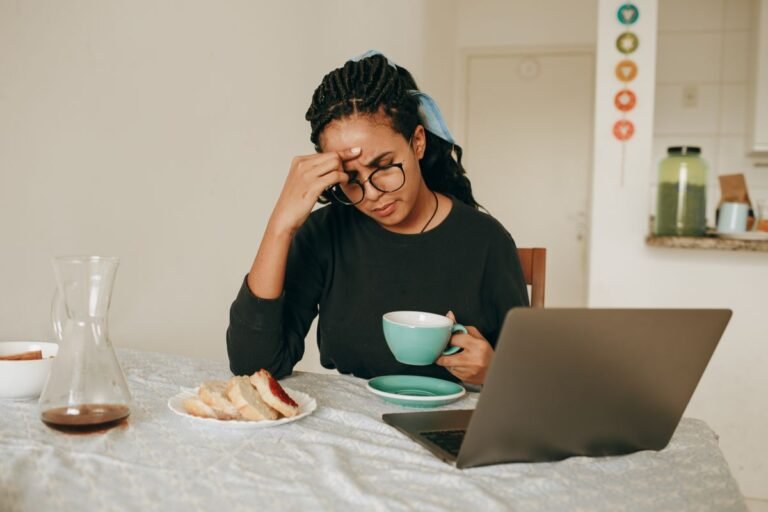
Feeling insecure in a changing body during menopause is very common, and it is not vanity. Weight shifts to the belly, skin and hair change, and a culture that prizes youth makes it easy to feel invisible. Confidence usually returns not by getting your old body back, but by focusing on what your body can do, building strength, caring for your health, adjusting what you see and wear, and talking back to harsh self-talk. If body worries are taking over your days, a therapist can help a lot.
| Common feeling | What is often behind it | A helpful shift |
|---|---|---|
| “My body betrayed me” | Sudden changes in weight, skin, sleep | Learn what is changing and why; it is not a personal failure |
| “I don’t recognize myself” | Mirror shock, clothes not fitting | Dress the body you have now; update your wardrobe basics |
| “I feel invisible” | Social messages about aging women | Spend time with people and media that value you |
| “I’ve let myself go” | Comparing with your 30-year-old self | Set goals about strength, energy and health, not size |
| “I’m too old to change” | Low energy and poor sleep | Small wins build momentum at any age |
Why does menopause hit body confidence so hard?
Several changes arrive at once. Falling estrogen moves fat toward the belly even if your weight barely changes. Muscle mass declines unless you train it. Skin loses collagen, which estrogen helps maintain, and many women notice drier skin, more wrinkles and thinner hair. Hot flashes and sweating can make you self-conscious in public. Poor sleep and mood changes make all of it feel heavier.
Research on body image in midlife women finds that body dissatisfaction is common, and that it is linked with lower mood and lower quality of life. Women also report that menopause symptoms, especially weight change and hot flashes, affect how they feel about themselves. For the physical side of belly changes, see why menopause causes belly fat.
How do you rebuild confidence in your body?
Train for strength, not shrinking
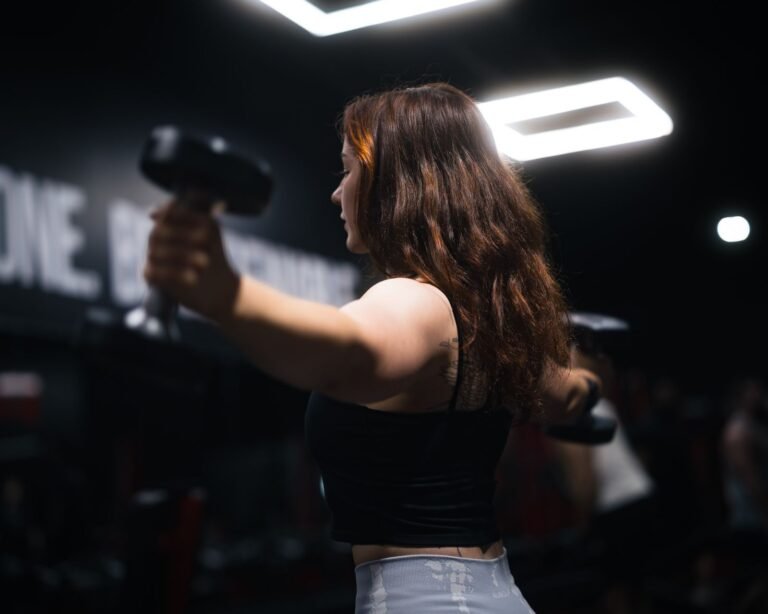
Strength training changes how you feel in your body within weeks, often before the scale or tape measure move. Lifting heavier groceries, climbing stairs easily or carrying a grandchild without strain builds a kind of confidence that no dress size can. Studies in women also show that regular exercise improves body image, independent of weight loss. Start with our beginner strength plan for women over 45, or if you are new, read is it too late to start exercising at 50.
Set goals about how you feel and function
- Walk 30 minutes without stopping
- Do 10 full push-ups (wall, then counter, then floor)
- Sleep through most nights
- Get your blood pressure and blood sugar into healthy ranges
These goals are measurable and in your control, and they matter more for long-term health than a number on the scale. See realistic fitness goals for your late 40s and 50s.
Dress the body you have today
Holding onto clothes that no longer fit sends a daily message of failure. Keep a few pieces that fit and feel good now: breathable fabrics, a supportive bra, comfortable waistbands. Layers help with hot flashes too. You can always buy smaller later if your body changes.
Talk back to the inner critic
Notice harsh thoughts like “I look disgusting” and ask: Would I say this to a friend? What is a fairer way to put it? For example: “My body is changing, and I am learning how to care for it.” This is a core technique of cognitive behavioral therapy, which has good evidence for improving body image.
Curate what you see
Unfollow accounts that leave you feeling worse, and follow women your age and older who are active, stylish or simply real. Research links appearance-focused social media use with poorer body image in adult women as well as teens.
What could a month of small changes look like?
Here is one example. A 53-year-old woman who avoided mirrors and photos starts two short strength sessions a week, donates clothes that have not fit in two years, and buys three tops she likes. She unfollows a handful of fitness accounts and writes one thing her body did well each night. A month later she has not lost much weight, but she reports feeling stronger, sleeping better and agreeing to be in a family photo.

How do you cope with the anxiety of aging?
- Name it. Grief for a younger body and a past life stage is normal. Acknowledging it lessens its grip.
- Focus on what grows with age: experience, perspective, relationships, skills.
- Invest in health habits that change how you age: strength, cardio, sleep, not smoking, social connection. These are tied to longer, more independent lives.
- Find your people. Women who talk openly about menopause often feel less alone and more confident.
- Treat symptoms that wear you down. Effective treatments exist for hot flashes, sleep problems and vaginal dryness.
When should you get support?
Talk to your doctor or a therapist if you notice:
- Low mood, hopelessness or loss of interest most days for two weeks or more
- Avoiding social events, intimacy or exercise because of how you look
- Spending hours a day checking, hiding or worrying about your appearance
- Extreme dieting, purging or overexercising
Perimenopause raises the risk of depression, even in women who have never had it. It is treatable. In the US, call or text 988 if you ever have thoughts of harming yourself.
How can you rebuild confidence in menopause?
Journalist and menopause author Tamsen Fadal shares practical ways to feel more confident during menopause, in under two minutes.
What can help you feel at home in your body again?
These support the steps above: strength, comfort and a kinder mindset. Our picks:
- Adjustable Dumbbell Set: Start a home strength routine and build confidence in what your body can do. Check price on Amazon
- More Than a Body by Lindsay and Lexie Kite, PhD: A research-based book on building body image resilience at any age. Check price on Amazon
- The New Menopause by Mary Claire Haver, MD: Understanding what is happening in your body takes away much of the fear. Check price on Amazon
- Soft Wireless Support Bra: A comfortable, well-fitting basic that makes everything else you wear feel better. Check price on Amazon
Frequently asked questions
Is it normal to feel unattractive during menopause?
Very normal. Body changes, symptoms and cultural messages all play a part. Many women find these feelings ease as they adjust, build strength and treat symptoms.
Will hormone therapy help my skin and body shape?
Some studies show estrogen helps skin thickness and moisture and may limit belly fat gain, but it is not prescribed for appearance. Exercise and nutrition remain the main tools for body composition.
How can I feel confident during hot flashes in public?
Dress in layers, carry a small fan, and remember that most people notice far less than you think. Treating frequent hot flashes also helps.
Can exercise improve body image even without weight loss?
Yes. Research shows exercise improves how people feel about their bodies even when weight changes little, likely through strength, energy and mood.
Sources and further reading
- Body image in midlife women: research overview, PubMed
- Effects of exercise interventions on body image: a meta-analysis, Journal of Health Psychology
- Depression and Menopause, The Menopause Society
- Depression, National Institute of Mental Health
A quick note: this is general health information, not medical advice. Talk with your doctor before starting, stopping, or changing any treatment.