How Fast Do You Lose Bone in Menopause? And How to Lower Your Osteoporosis Risk
This article contains affiliate links. As an Amazon Associate, we earn from qualifying purchases, at no extra cost to you. Learn more.
Bone loss speeds up sharply around your final period. In the large Study of Women’s Health Across the Nation (SWAN), bone density loss began about a year before the final period and was fastest through about two years after, at roughly 2 to 2.5 percent a year at the spine and about 1.4 to 1.8 percent a year at the hip. After that, loss continues more slowly. The most effective steps to lower your osteoporosis risk are strength and impact exercise, enough calcium, vitamin D and protein, not smoking, limiting alcohol, a bone density scan at the right time, and medicine when your risk is high.
| Stage | What happens to bone | Approximate yearly loss (spine) |
|---|---|---|
| Premenopause and early perimenopause | Mostly stable | Little to none |
| About 1 year before to 2 years after the final period | Fastest loss | About 2 to 2.5 percent |
| Later postmenopause | Slower, ongoing loss | About 1 percent or less, varies |
Rates from SWAN; individual women vary widely.
How quickly do women lose bone density during menopause?
SWAN followed more than 2,300 women with repeated bone scans. It found that bone turnover rises about two years before the final period, and measurable bone loss starts about one year before. During that three-year window around the final period, average loss among white women was about 2.5 percent a year at the lumbar spine and 1.8 percent a year at the femoral neck (part of the hip). Over five years of fast loss, that adds up to roughly 7 to 10 percent at the spine.
Some women lose much faster than average. Women with lower body weight lost bone faster in SWAN; women in the heaviest third lost bone 33 to 55 percent more slowly than those in the lightest third. A later SWAN analysis found that every 1 percent per year faster decline at the spine was linked to a 56 percent higher fracture risk, regardless of starting bone density. In other words, both where you start and how fast you lose matter.
Why does menopause cause bone loss?
Bone is living tissue that is constantly broken down and rebuilt. Estrogen keeps that process in balance by slowing the cells that break bone down. When estrogen falls, breakdown outpaces rebuilding. The spongy inner bone in the spine and wrists is affected most, which is why spine and wrist fractures often appear first.
Who is at higher risk of osteoporosis?
- Early menopause (before 45) or removal of the ovaries
- Low body weight or a history of very low calorie dieting
- Family history, especially a parent with a hip fracture
- Smoking or more than about two alcoholic drinks a day
- Long-term steroid medicines, some breast cancer drugs (aromatase inhibitors), some seizure medicines
- Conditions such as rheumatoid arthritis, celiac disease, overactive thyroid
- A previous fracture from a minor fall

What steps lower your risk of osteoporosis?
1. Lift weights and add safe impact
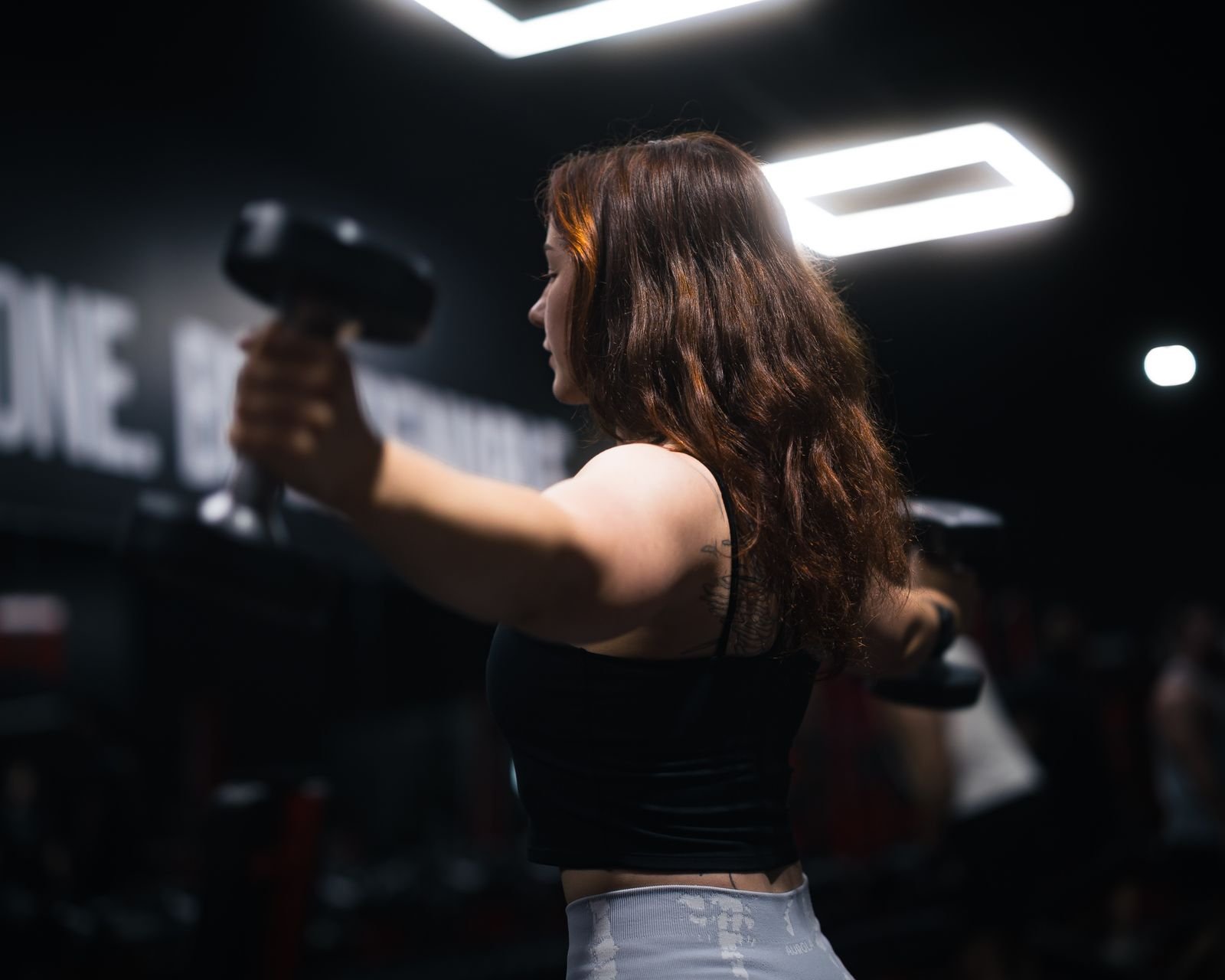
Bone responds to load. Progressive strength training and impact exercise stimulate bone-building cells. In the LIFTMOR trial, postmenopausal women with low bone mass who did supervised high-intensity resistance and impact training twice a week for eight months improved spine and hip bone density, while the low-intensity group lost bone. Walking is great for your heart but on its own is a weak bone stimulus. Our bone health exercises after 45 lays out a plan.
2. Get enough calcium, vitamin D and protein
| Nutrient | Women 51 and older | Good sources |
|---|---|---|
| Calcium | 1,200 mg a day (1,000 mg ages 31 to 50) | Dairy, fortified plant milks, canned salmon with bones, tofu set with calcium |
| Vitamin D | 600 IU a day (800 IU after 70) | Sunlight, fatty fish, fortified foods, supplements if low |
| Protein | Often 1.0 to 1.2 g per kg of body weight is suggested for older adults | Fish, poultry, eggs, dairy, beans, lentils |
Food first is best; supplements fill gaps. More calcium than you need does not build more bone and may raise kidney stone risk. See calcium and vitamin D after 50 and protein after 45.
3. Avoid bone robbers
- Stop smoking.
- Keep alcohol to one drink a day or less.
- Avoid crash diets, which strip bone as well as fat.
4. Prevent falls
Most fractures happen in falls. Balance training, good lighting, removing loose rugs, checking your vision and reviewing sedating medicines all reduce falls.
5. Get screened
The US Preventive Services Task Force recommends a bone density (DXA) scan for all women 65 and older, and for younger postmenopausal women at increased risk. Ask about earlier testing if you have risk factors above.
What could a bone-protecting week look like?
Here is one example. Monday and Thursday: a 40-minute strength session with squats, deadlifts with dumbbells, overhead presses and rows. Tuesday and Saturday: brisk walks with a few minutes of jumping jacks or heel drops if her joints allow. Every day: yogurt or fortified milk at breakfast, protein at each meal, and a short balance drill while brushing her teeth.
What medicines protect bone?
- Hormone therapy prevents bone loss and reduces fractures. It is FDA-approved to prevent osteoporosis and is a reasonable option for women under 60 or within 10 years of menopause who also have symptoms.
- Bisphosphonates such as alendronate are common first-line osteoporosis treatments.
- Other options include denosumab, raloxifene, and bone-building medicines for high risk.
Your doctor may use your DXA result and a FRAX score, which estimates 10-year fracture risk, to decide whether medicine makes sense.
What are the basics of keeping your bones strong?
Mayo Clinic covers four fundamentals for strong, healthy bones in about six minutes.
What gear helps you build stronger bones at home?
These match the steps above: progressive loading and fall prevention. Our picks:
- Adjustable Dumbbell Set: Lets you keep adding weight over time, which is what bone needs to respond. Check price on Amazon
- Weighted Vest: Adds load to walks and bodyweight moves. Start light and build slowly. Check price on Amazon
- AUVON Motion-Sensor Night Lights (4-Pack): Lights the way at night to prevent the falls that cause most fractures. Check price on Amazon
- Foam Balance Pad: A simple tool for daily balance drills once you are steady on the floor. Check price on Amazon
Frequently asked questions
Can you rebuild bone after menopause?
You can slow or stop loss and often gain a little with strength and impact training. Medicines can rebuild more, especially bone-forming drugs for women at high risk.
When should I get my first bone density scan?
At 65 for most women, earlier if you have risk factors such as early menopause, low weight, a fracture from a minor fall, or long-term steroid use.
Is walking enough to prevent osteoporosis?
Walking helps but is usually not enough on its own. Adding strength training and some impact gives bone a stronger signal.
Should every woman take calcium supplements?
No. Aim to meet your needs through food first, and use a supplement only to fill the gap.
Sources and further reading
- Bone health across the menopause transition: SWAN, PubMed Central
- Faster Lumbar Spine Bone Loss in Midlife Predicts Subsequent Fracture, PubMed Central
- Osteoporosis to Prevent Fractures: Screening, US Preventive Services Task Force
- Calcium Fact Sheet, NIH Office of Dietary Supplements
- LIFTMOR trial, Journal of Bone and Mineral Research
A quick note: this is general health information, not medical advice. Talk with your doctor before starting, stopping, or changing any treatment.


4 Comments