What Are Good High-Protein Snacks for Women Over 50?
This article contains affiliate links. As an Amazon Associate, we earn from qualifying purchases, at no extra cost to you. Learn more.
Good high-protein snacks for women over 50 give you at least 5 to 10 g of protein in roughly 150 to 200 calories. Greek yogurt, cottage cheese, hard-boiled eggs, edamame, tuna, roasted chickpeas and a small handful of nuts all fit. Snacks help you spread protein across the day, which matters for keeping muscle after menopause.
| Snack | Serving | Protein (about) |
|---|---|---|
| Canned tuna | 3 oz | 25 g |
| Shelled edamame | 1 cup | 18 g |
| Plain Greek yogurt | 3/4 cup | 17 g |
| Cottage cheese | 3/4 cup | 12 g |
| Beef or chicken jerky | 1 oz | 10 g |
| Pumpkin seeds | 1 oz | 8 g |
| Roasted chickpeas | 1/2 cup | 7 g |
| Peanut butter | 2 tbsp | 7 g |
| Hard-boiled egg | 1 large | 6 g |
| Almonds or pistachios | 1 oz | 6 g |
| Cheese stick | 1 oz | 5 to 7 g |
Figures from Harvard Health Publishing, linked below. Brands vary, so check labels.
Why do protein snacks matter more after 50?
Muscle loss with age has a name: sarcopenia. According to Wikipedia’s sarcopenia article, it affects roughly 5% to 13% of people aged 60 to 70 and far more after 80. The Mayo Clinic Health System notes that this decline begins between ages 40 and 50, which is exactly when many women also go through menopause.
Less muscle means less strength, poorer balance and a slower metabolism. Two things help most: strength training and enough protein. Our guide to muscle loss after menopause covers the full picture. Snacks are simply an easy way to add protein between meals without making every meal huge.
How much protein do you need each day, and per snack?
The basic recommended amount for adults is 0.8 g of protein per kilogram of body weight a day. Mayo Clinic Health System suggests people over 40 to 50 aim for about 1 to 1.2 g per kilogram to help counter muscle loss, and Harvard Health notes that healthy older adults may need about 1.2 g per kilogram. Our guide to protein after 45 walks through the math.
Spread it out
Mayo Clinic Health System recommends spreading protein evenly, with about 15 to 30 g per meal, and says there is no added benefit to more than 40 g in one sitting. Harvard Health makes the same point: your body handles about 20 to 40 g at a time. A snack does not need to hit those numbers. Its job is to top you up between meals.
One woman, 54, weighing 160 lb (73 kg), aims for 1.0 to 1.2 g per kilogram, or about 75 to 90 g a day. Her usual day of toast for breakfast, a sandwich at lunch and a chicken dinner gave her roughly 60 g. Adding a cottage cheese snack mid-morning (12 g) and Greek yogurt in the afternoon (17 g) brought her to about 89 g without changing her meals.
A quick protein shortcut
MedlinePlus offers an easy rule of thumb: 1 ounce of meat, fish or poultry, 1 large egg, 1/4 cup of tofu or 1/2 cup of cooked beans each provide about 7 g of protein. That makes it simple to estimate a snack at a glance.
What are the best grab-and-go protein snacks?
A Harvard Health guide to high-protein snacks suggests a snack contain at least 5 g of protein. These options clear that bar easily.
Dairy options
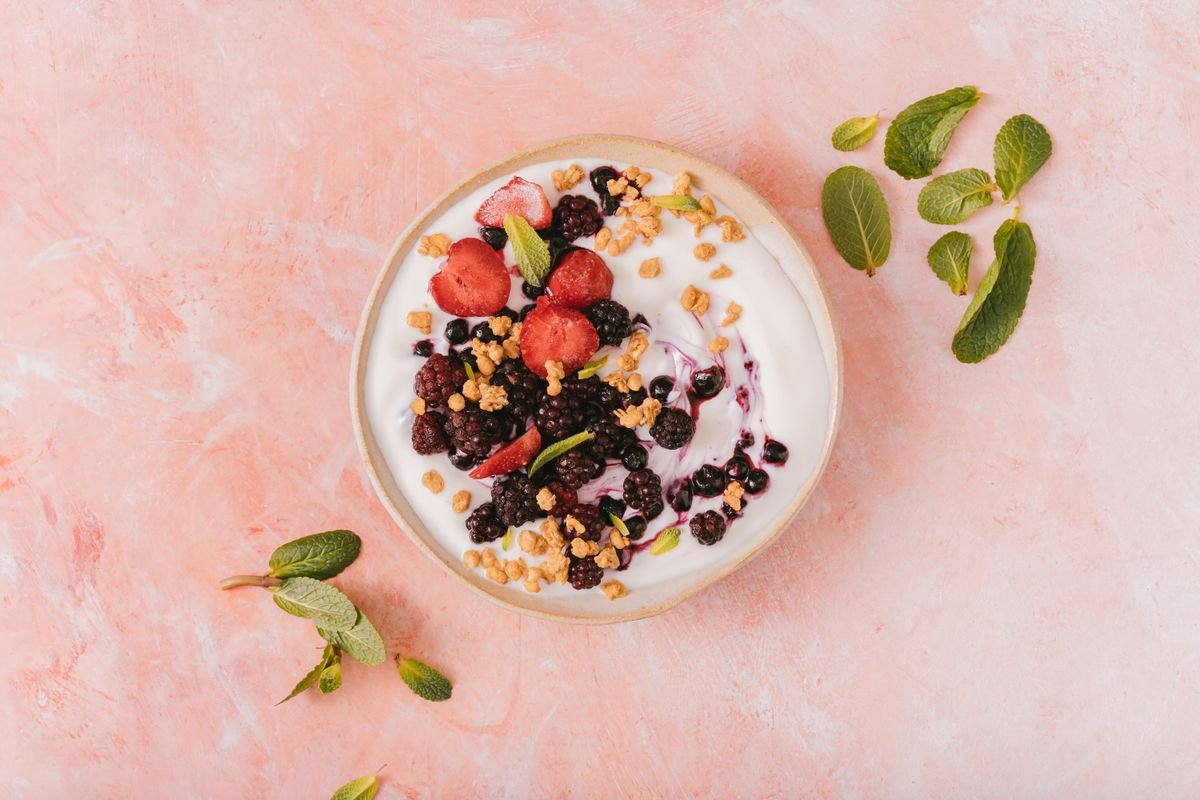
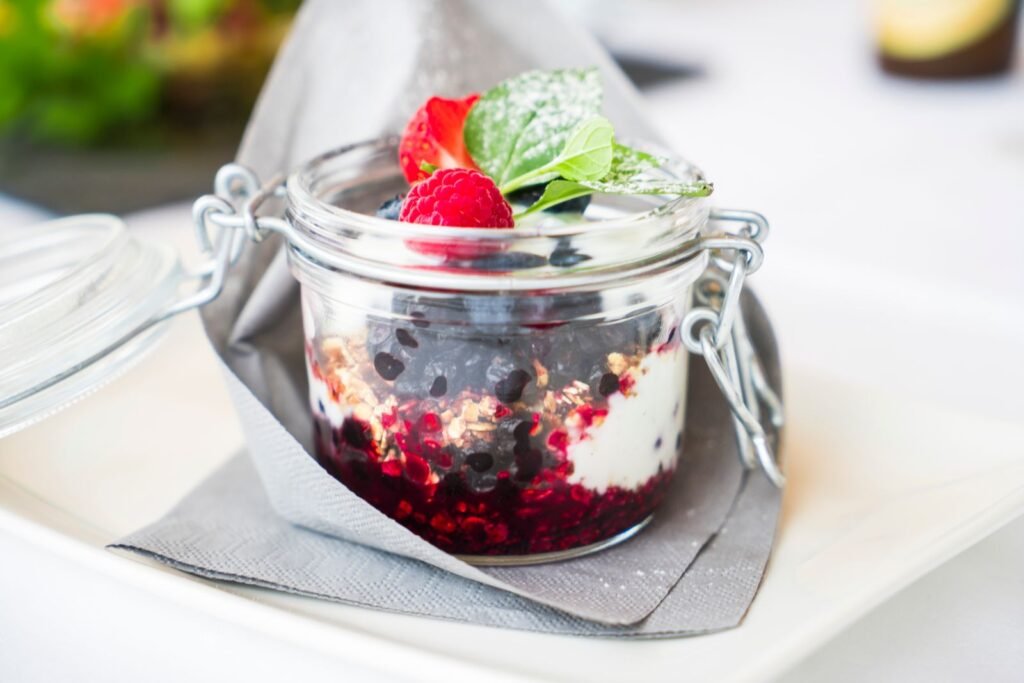
- Plain Greek yogurt (17 g per 3/4 cup). Add berries and a sprinkle of chia seeds (5 g per 2 tablespoons) for fiber.
- Cottage cheese (12 g per 3/4 cup). Try it with sliced peaches, or savory with cherry tomatoes and black pepper.
- Cheese stick (5 to 7 g per ounce) with an apple or a few whole grain crackers.
Eggs, fish and meat
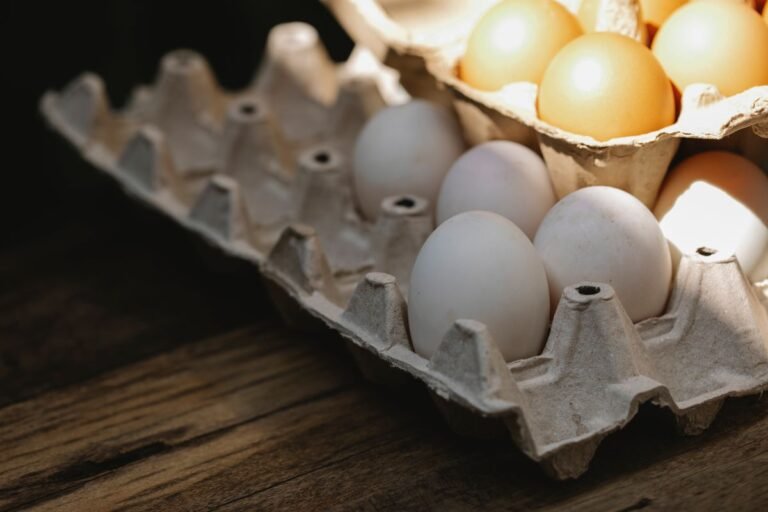
- Hard-boiled eggs (about 6 g each). Cook six on Sunday for the week.
- Tuna pouch (about 25 g per 3 ounces) on cucumber slices or whole grain crackers.
- Jerky (about 10 g per ounce). Choose lower sodium versions, especially if you watch your blood pressure.
Plant-based options
- Edamame (18 g per cup). Buy frozen, shelled, and microwave a portion.
- Roasted chickpeas (7 g per 1/2 cup) for a crunchy swap for chips.
- Pumpkin seeds, peanuts or almonds (6 to 8 g per ounce). Portion them into small containers, since nuts are easy to overeat.
- Hummus with veggie sticks, or peanut butter (7 g per 2 tablespoons) on apple slices.
How do you build a snack that keeps you full?
Cleveland Clinic dietitians recommend pairing protein with fiber, from fruit, vegetables, whole grains, beans or seeds. Protein and fiber together slow digestion and help steady your energy. The snacks Cleveland Clinic features run about 150 to 170 calories, and one of its dietitians notes that once a snack passes about 200 calories, it is really a mini-meal.
Easy pairings to try:
- Greek yogurt with raspberries
- Two hard-boiled eggs with cherry tomatoes
- Cottage cheese with pineapple
- A cheese stick and a pear
- Hummus with carrot and pepper sticks
- A small handful of almonds with a clementine
If afternoon sweet cravings are your weak spot, a protein and fiber snack around 3 pm often helps. Our article on sugar cravings during menopause has more ideas.
When is the best time for a protein snack?
Any time that fills a long gap between meals works. Two times are especially useful:
- After strength training. Harvard Health suggests a protein snack within 30 to 60 minutes after a strength workout to support muscle repair. Greek yogurt, a glass of milk or a tuna pouch are easy options. If you are new to lifting, start with our beginner strength training plan.
- When breakfast is light. Many women eat little protein in the morning. A mid-morning egg or cottage cheese snack helps balance the day.
Are protein bars and shakes good snacks?
They can be convenient, especially when you travel, but they vary widely. Some are closer to candy, with plenty of added sugar. Look for options with at least 10 g of protein, a short ingredient list and modest added sugar. Whole foods usually give you more fiber and nutrients for the calories. If you are thinking about a powder, our guide to protein powder during menopause explains what to look for.
Can you eat too much protein?
For most healthy women, the amounts in this guide are safe. Mayo Clinic Health System says intakes above about 2 g per kilogram a day are excessive, and that extra protein can be a risk for people prone to kidney disease. Talk to your doctor before raising your protein if you have kidney disease, diabetes with kidney changes, or have been told to limit protein. In this video, a Cleveland Clinic dietitian explains when protein becomes too much.
What makes protein snacks easier to prep?
A little prep on the weekend means a protein snack is always ready when hunger hits. Our picks:
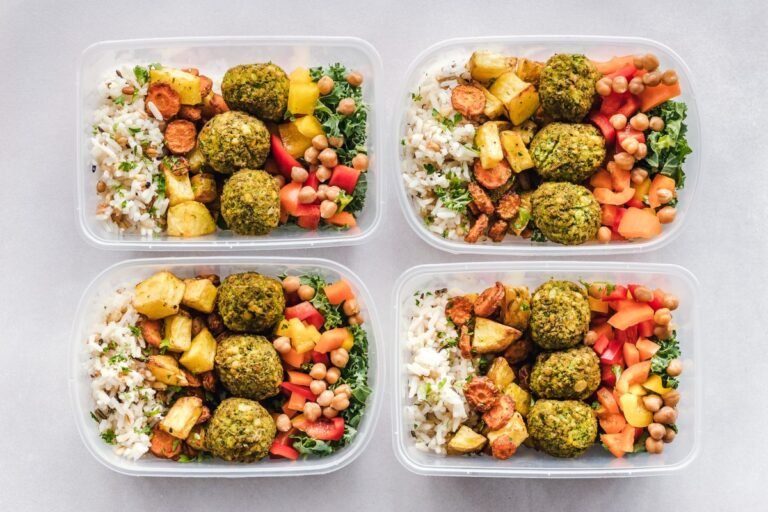
- M MCIRCO Glass Meal Prep Containers: Good for portioning cottage cheese, edamame, eggs and cut vegetables for the week. Check price on Amazon
- Etekcity Digital Food Scale: Helpful for learning what a 1 ounce portion of nuts or cheese really looks like. Check price on Amazon
- Ninja Personal Blender: Makes quick single-serve smoothies with Greek yogurt or milk after a workout. Check price on Amazon
- Strong Women Stay Young by Miriam Nelson, PhD: A classic guide to strength training for women, the other half of keeping muscle with age. Check price on Amazon
Frequently asked questions
How much protein should a snack have?
Aim for at least 5 g, and 10 to 15 g if you are using snacks to reach a higher daily target. Pair it with fiber so it keeps you full. Keep most snacks to around 150 to 200 calories.
Are nuts a good source of protein?
Nuts give you 6 to 8 g of protein per ounce, along with healthy fats and fiber. They are also high in calories, so measure a portion rather than eating from the bag. Pair them with yogurt or cheese for a bigger protein boost.
What is a good high-protein snack before bed?
A small bowl of cottage cheese, Greek yogurt or a glass of milk works well if you are hungry at night. Keep it light so it does not disturb your sleep. If you are not hungry, there is no need to eat before bed.
Can protein snacks help with weight loss after 50?
They can help because protein is filling and supports muscle while you lose fat. The key is swapping, not adding: replace a low-protein snack such as crackers or cookies with a protein-rich one. Our 7-day menopause meal plan shows how snacks fit into a full day.
What are good high-protein snacks if I am vegetarian?
Greek yogurt, cottage cheese, eggs and cheese are all vegetarian. If you avoid dairy and eggs too, edamame, roasted chickpeas, hummus, pumpkin seeds and nut butters are good choices. Combining a few, such as hummus with a handful of pumpkin seeds, makes it easier to reach 10 g.
Sources and further reading
- High-protein snacks to build muscle and keep hunger at bay, Harvard Health Publishing
- The power of protein, Harvard Health Publishing
- Are you getting enough protein?, Mayo Clinic Health System
- Protein in diet, MedlinePlus
- 9 Healthy High-Protein Snacks To Help Keep You Full and Fueled, Cleveland Clinic
- Sarcopenia, Wikipedia
A quick note: this is general health and fitness information, not medical advice. Talk with your doctor before starting a new exercise program or changing any treatment.

3 Comments