
Is Intermittent Fasting Good for Women Over 50?
This article contains affiliate links. As an Amazon Associate, we earn from qualifying purchases, at no extra cost to you. Learn more.
Intermittent fasting can work for some women over 50, but it is not a magic fix. Studies suggest it leads to about the same weight loss as simply eating fewer calories. Mayo Clinic says it may not suit people at high risk of bone loss and falls, which includes many women after menopause. If you try it, protect your protein and keep strength training.
| Approach | How it works | What to watch after 50 |
|---|---|---|
| 12:12 or 14:10 eating window | Eat within 12 or 10 hours, fast overnight | The gentlest start; often enough to stop late night snacking |
| 16:8 time-restricted eating | Eat within an 8 hour window | Easy to fall short on protein with only two meals |
| 5:2 | About 500 to 600 calories on 2 days a week, normal eating on the other 5 | Hunger, headaches and dizziness on low days |
| Alternate-day fasting | Very low intake every other day | Hardest to stick with; not a beginner choice |
| Steady calorie reduction | Slightly smaller portions every day | Similar weight loss in many trials, and protein is easier to spread out |
What is intermittent fasting, exactly?
Intermittent fasting is an umbrella term for eating patterns that cycle between periods of eating and periods of little or no food. The Wikipedia overview of intermittent fasting groups them into three main types:
- Time-restricted eating. You eat all your food within a daily window, usually 8 to 12 hours, and fast for the rest. The popular 16:8 plan is a 16 hour fast with an 8 hour eating window.
- Alternate-day fasting. Normal eating days alternate with fasting or very low calorie days.
- The 5:2 diet. Five days of normal eating and two non-consecutive days of about 500 to 600 calories.
Most women who say they “do IF” mean time-restricted eating, often by skipping breakfast or closing the kitchen after dinner.
Does intermittent fasting work better than cutting calories?
For weight loss, the honest answer is: probably not by much. According to the same Wikipedia summary, most studies show weight loss of about 2.5% to 9.9% of body weight, and there is limited evidence that it beats ordinary calorie restriction. Mayo Clinic says intermittent fasting may improve some short-term markers of health, such as blood sugar, weight, cholesterol and blood pressure, but that some studies find simply limiting calories gives the same benefit.
One well known trial makes the point. In the TREAT study, adults who ate only between noon and 8 pm did not lose more weight or improve heart and blood sugar markers compared with people eating three meals a day, as a letter in JAMA Internal Medicine discussing the results explains.
So why do some women swear by it?
Because a fixed window can make eating less feel simpler. If your extra calories come from evening snacks or grazing at your desk, a firm “kitchen closes at 7” rule removes a lot of small decisions. The structure helps, not a special fat burning effect. If a window makes you hungrier and you overeat later, it is not helping you.
Is intermittent fasting safe for women after menopause?
For most healthy women, a modest eating window such as 12 or 14 hours is unlikely to cause harm. Longer fasts deserve more caution after 50. Mayo Clinic lists several reasons:
- It may cause tiredness, dizziness, headaches, mood swings and constipation, especially at first.
- It can interfere with diabetes management, particularly if you take insulin or other medicines that lower blood sugar.
- It may not be healthy for people at high risk of bone loss and falls.
- Some evidence suggests a 16:8 pattern may be linked to a higher risk of heart disease than other time-restricted patterns, though this is not settled.
- Its long-term effects are not clear.
Research in this age group is thin. A 2025 review in the Journal of Mid-Life Health describes studies of intermittent fasting in menopausal women as scarce, says the long-term effects on bone are unresolved, and recommends pairing any fasting plan with enough protein, resistance and aerobic exercise, and calcium and vitamin D.

Who should skip it or get advice first?
- Anyone with a history of an eating disorder.
- Women with osteoporosis, osteopenia or a history of falls. Our guide to bone loss and menopause explains why bone protection matters so much now.
- Anyone taking medicine for diabetes or blood pressure, since fasting can change how those drugs act.
- Women who are already underweight, losing weight without trying, or recovering from illness or surgery.
When to call your doctor
Stop fasting and talk to your doctor if you feel faint, shaky or confused, if you have a racing heartbeat, or if headaches or dizziness last beyond the first few weeks. Wikipedia notes that common early side effects such as hunger, irritability and headaches usually fade within about a month. Symptoms that persist or worsen are a sign the plan does not suit you.
How do you protect your muscle while fasting?
This is the biggest risk for women over 50. Muscle loss speeds up after menopause, and any diet that cuts calories can take some muscle along with fat. In the TREAT trial, the time-restricted group lost slightly more lean mass in the arms and legs than the three-meals group, a difference of about 0.47 kg. That is small, but it points in the wrong direction for a group already losing muscle with age. Our article on muscle loss after menopause covers why this matters for strength and balance.
Hit your protein target inside your window
Harvard Health notes that healthy older adults may need about 1.2 g of protein per kilogram of body weight a day, more than the basic 0.8 g RDA. For a 150 lb (68 kg) woman, that is roughly 80 g a day. A second Harvard Health article explains that the body uses about 20 to 40 g of protein at a time, so spreading it out works better than one big serving. With a short window, that means two or three solid protein meals, not a light lunch and a large dinner. Our guide to protein after 45 has easy ways to reach your number.
Keep lifting
Strength training two or more days a week sends your body the signal to hold on to muscle while you lose fat. If you have not started yet, the beginner strength training plan for women over 45 is a good first step. Many women find it easiest to train near the start or middle of their eating window so they can have a protein-rich meal afterward.
What does a sensible fasting day look like after 50?
If you want to try it, start gentle. A 12 hour overnight fast, such as 7 pm to 7 am, is something many people already do. After two or three weeks, you can stretch it to 13 or 14 hours if you feel well.
One woman, 56, wanted to stop her nightly snacking without counting calories. She picked a 14:10 window, eating from 8 am to 6 pm:
- 8 am: Greek yogurt with berries and a spoon of chia seeds, plus a hard-boiled egg (about 25 g protein).
- 12:30 pm: A big salad with chicken or canned salmon, beans and olive oil (about 30 g protein).
- 3:30 pm: A cheese stick and a handful of almonds (about 12 g protein).
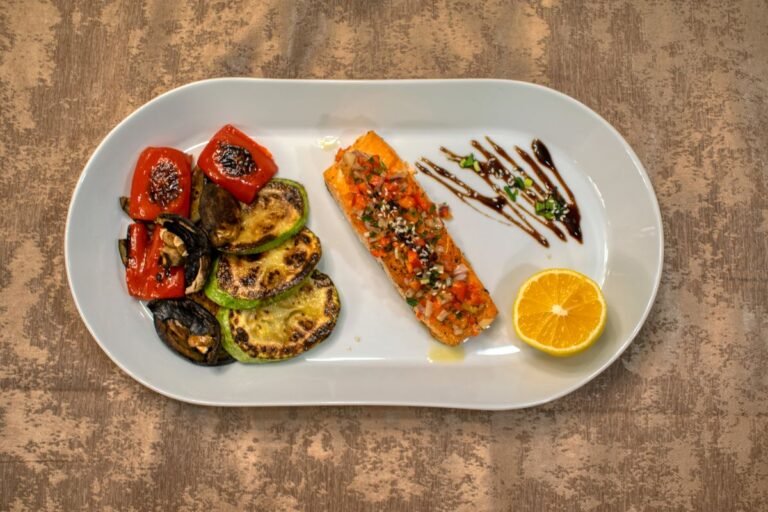
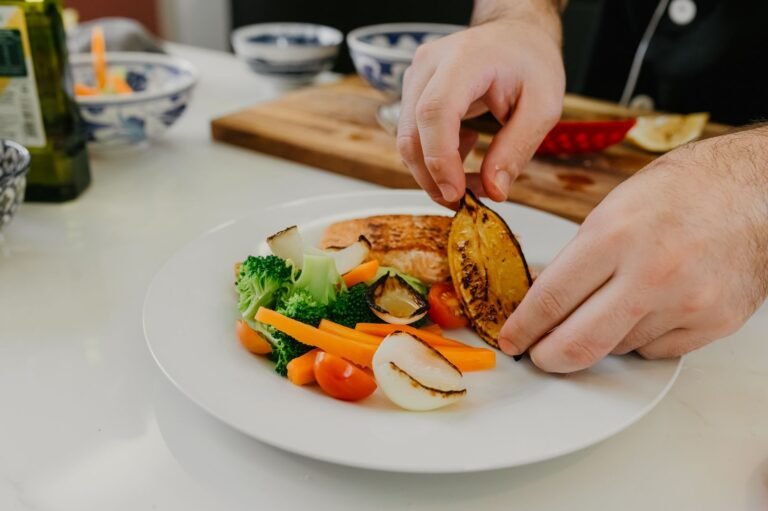
- 5:30 pm: Fish or tofu, roasted vegetables and brown rice (about 25 g protein).
- After 6 pm: Water, herbal tea or sparkling water.
She still ate about 90 g of protein, walked most days and lifted twice a week. Over three months she lost a few pounds slowly, which is the kind of steady result that tends to last. Your numbers will differ, and slower progress is normal after menopause.
What if intermittent fasting is not for you?
Plenty of women feel worse on a fasting schedule: hungrier, moodier, or more tired during workouts. That is fine. The same goals can be reached in other ways:
- Trim portions slightly at each meal rather than skipping meals. Our guide to calories for women over 50 shows how to estimate a sensible target.
- Build each meal around protein, vegetables and fiber, which keep you full for longer.
- Set a simple “kitchen closes after dinner” rule without a strict clock.
- Focus on sleep, walking and strength training, which affect midlife weight as much as meal timing does. Our plan to lose menopause belly fat without extreme dieting brings these together.
What do Mayo Clinic experts say about intermittent fasting?
In this short video, Mayo Clinic looks at whether intermittent fasting is helpful or harmful and what the research can and cannot tell us yet.
What tools make an eating window easier to stick with?
Planning ahead is what keeps protein high when you have fewer hours to eat. Our picks:
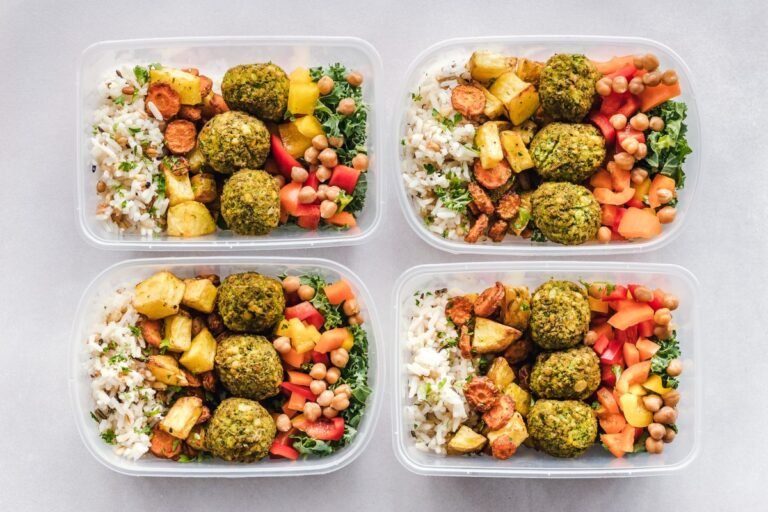
- M MCIRCO Glass Meal Prep Containers: Handy for batch cooking protein-rich lunches and dinners so your window starts with a real meal, not whatever is nearby. Check price on Amazon
- Etekcity Digital Food Scale: A simple way to check what a 20 to 30 g protein portion of chicken, fish or tofu actually looks like. Check price on Amazon
- The New Menopause by Mary Claire Haver, MD: A doctor-written guide to the body changes of midlife, including nutrition, that helps put diet trends in context. Check price on Amazon
- Next Level by Stacy Sims, PhD: A practical book on training and fueling for active women in perimenopause and beyond. Check price on Amazon
Frequently asked questions
Is 16:8 fasting safe for women over 50?
For many healthy women it is tolerable, but it is not the best place to start. Mayo Clinic notes some evidence linking 16:8 to higher heart disease risk than other eating windows, and two meals make it harder to get enough protein. A 12 or 14 hour overnight fast is a gentler first step.
Can intermittent fasting help with menopause belly fat?
It can help if it leads you to eat less overall, but there is no strong evidence it targets belly fat. Trials suggest weight loss is similar to ordinary calorie cutting. Strength training, sleep and enough protein matter at least as much.
Should I exercise while fasting?
Easy walking is usually fine. For strength training or harder workouts, many women feel and perform better with food in the system, so try scheduling those sessions during your eating window. Stop and eat if you feel dizzy or shaky.
Does intermittent fasting affect bone health?
The long-term effects on bone are not known. A 2025 review in menopausal women called this question unresolved, and Mayo Clinic says fasting may not suit people at high risk of bone loss and falls. If you have osteopenia or osteoporosis, ask your doctor before trying it.
Sources and further reading
- Intermittent fasting: What are the benefits?, Mayo Clinic
- Intermittent fasting, Wikipedia
- Intermittent Fasting and Weight Management at Menopause, Journal of Mid-Life Health (PubMed Central)
- Caution Against Overinterpreting Time-Restricted Eating Results, JAMA Internal Medicine (PubMed Central)
- The power of protein, Harvard Health Publishing
- High-protein snacks to build muscle and keep hunger at bay, Harvard Health Publishing
A quick note: this is general health and fitness information, not medical advice. Talk with your doctor before starting a new exercise program or changing any treatment.


One Comment