How Many Calories Does a Woman Over 50 Need?
This article contains affiliate links. As an Amazon Associate, we earn from qualifying purchases, at no extra cost to you. Learn more.
Most women over 50 need roughly 1,600 to 2,200 calories a day. The National Institute on Aging, using Dietary Guidelines figures, lists about 1,600 for inactive women over 60, 1,800 for moderately active women and 2,000 to 2,200 for active women. Your real number depends on your size, muscle and movement, so treat these as a starting point and adjust from your weight trend.
| Activity level | Estimated calories a day | What it looks like |
|---|---|---|
| Not physically active | About 1,600 | Mostly sitting, little planned exercise |
| Moderately active | About 1,800 | Regular walks plus everyday chores |
| Active lifestyle | About 2,000 to 2,200 | Daily brisk exercise, strength sessions, active job |
These figures come from the National Institute on Aging for women over 60 who want to keep their current weight. Women in their late 40s and 50s, taller women and women with more muscle often need a little more.
Where do your daily calories actually go?
Your body spends energy in three main ways. Knowing them explains why two women of the same age can need very different amounts.
- Basal metabolism. This is the energy for breathing, circulation, temperature control and keeping cells alive. Wikipedia’s summary of basal metabolic rate notes it accounts for about 70 percent of daily calorie use.
- Digesting food. Mayo Clinic says about 10 percent of the calories you eat are used to digest food and absorb nutrients.
- Movement. This includes workouts and everyday activity like housework, gardening and fidgeting. Mayo Clinic estimates that this everyday, non-exercise movement burns about 100 to 800 calories a day, which is the biggest swing factor between women.
Muscle matters most for the first piece. Mayo Clinic explains that people with more muscle burn more calories even at rest, and that muscle loss with age is one reason calorie needs drift down.
Does your metabolism really crash after menopause?
Not the way most people think. A large 2021 study in Science, Daily energy expenditure through the human life course, pooled measurements from people of all ages. It found that total and basal energy use, adjusted for body size and fat-free mass, stayed stable from age 20 to 60, then declined after 60.
So why does weight creep up for so many women in midlife? The usual culprits are gradual muscle loss and moving less, not a sudden metabolic shutdown. Harvard Health notes that adults who skip regular strength training can lose 4 to 6 pounds of muscle per decade. Hormonal shifts also change where fat is stored, which our guide to metabolism after menopause myths and facts covers in detail.
That is good news. Both muscle and daily movement are things you can change.
How can you estimate your own calorie needs?
Tables give averages. You can get closer with one simple equation and a few weeks of tracking.
Step 1: Estimate your resting burn
The Mifflin St Jeor equation, described on Wikipedia, estimates basal metabolic rate for women as: 10 times weight in kilograms, plus 6.25 times height in centimeters, minus 5 times age in years, minus 161.
Step 2: Work through an example
One woman might be 55 years old, 5 feet 4 inches (163 centimeters) and 150 pounds (68 kilograms). Her estimate is 680 plus 1,019, minus 275, minus 161, which comes to about 1,260 calories at rest. If resting metabolism is about 70 percent of her daily burn, her total is roughly 1,800 calories, right in line with the moderately active estimate.
Step 3: Check it against real life
- Eat your usual way for two to three weeks and roughly log what you eat.
- Weigh yourself two or three mornings a week and watch the average, not single days.
- If your average weight holds steady, your intake roughly matches your needs.
- Adjust in small steps of 100 to 200 calories, then reassess after another two weeks.
The NIDDK Body Weight Planner is a free government tool that does this math for you and also models how activity changes your numbers.
How many calories should you cut to lose weight after 50?
Mayo Clinic suggests that cutting 500 to 750 calories a day leads to roughly 1 to 1.5 pounds of weight loss a week. For many women over 50 starting near 1,800, that is a big cut. A gentler approach often works better in midlife:
- Trim 250 to 500 calories a day from drinks, snacks and second helpings rather than meals.
- Add movement so part of the gap comes from activity instead of food.
- Protect protein at every meal so the weight you lose is mostly fat, not muscle.
Why is a very low intake a problem?
The Dietary Guidelines for Americans, 2025 to 2030 point out that some older adults need fewer calories but still require the same or greater amounts of key nutrients, including protein, vitamin B12, vitamin D and calcium. The fewer calories you eat, the harder those targets become. Very low intakes also make it harder to keep muscle and to have energy for workouts.
If you are considering a very low calorie plan, or you are losing weight without trying, talk with your doctor. The National Institute on Aging notes that sudden, unintended weight loss can be a sign of a medical problem.
Why does protein matter more than the calorie number?
When you eat a little less, protein is what protects muscle. The new Dietary Guidelines recommend 1.2 to 1.6 grams of protein per kilogram of body weight a day. A 2025 review, Protein and Aging: Practicalities and Practice, suggests at least 1.0 to 1.2 grams per kilogram for healthy older adults, with 25 to 30 grams per meal.
For the 150-pound woman above, that means roughly 70 to 110 grams a day. In practice, that is three meals of 25 to 30 grams plus a protein snack. It also takes up a meaningful share of her calories, which leaves less room for foods that do little for fullness. Our guide to protein after 45 lists easy sources.
What does an 1,800 calorie day look like?
| Meal | Example | Rough calories | Protein |
|---|---|---|---|
| Breakfast | Greek yogurt, berries, oats, walnuts | 400 | 28 g |
| Lunch | Chicken, bean and vegetable salad with olive oil | 500 | 35 g |
| Snack | Cottage cheese and an apple | 250 | 20 g |
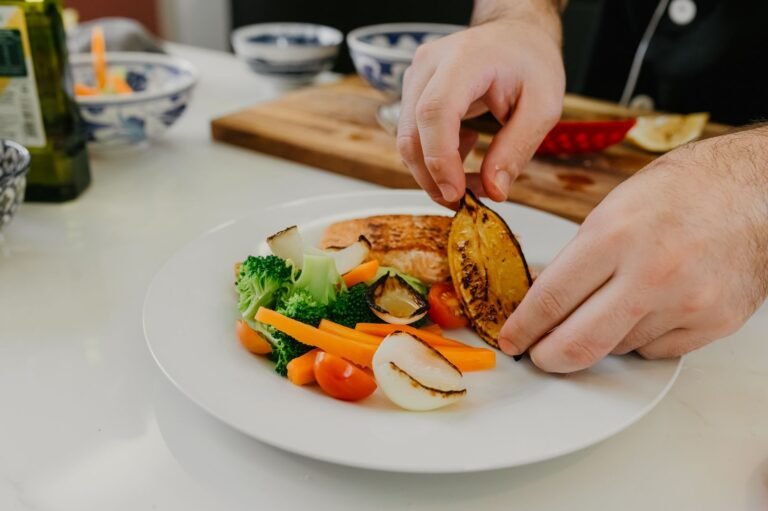
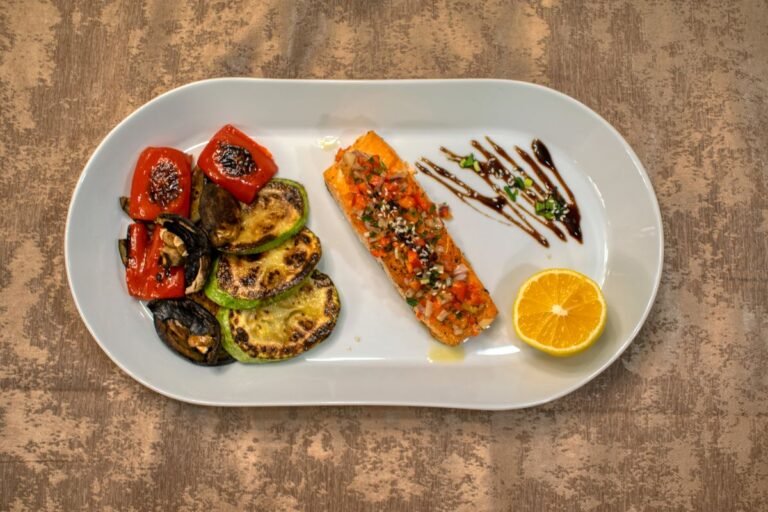
| Dinner | Salmon, roasted potatoes, broccoli | 600 | 32 g |
| Extras | Milk in coffee, a square of dark chocolate | 50 | 2 g |
Numbers are approximate and depend on portions and brands. The 7-day menopause meal plan uses this same structure without counting.
How does exercise change how much you can eat?
Exercise raises your daily burn and, through strength training, helps you keep the muscle that sets your resting rate. Mayo Clinic recommends at least 150 minutes a week of moderate aerobic activity and strength training for all major muscle groups at least twice a week.
The everyday movement piece is easy to overlook. Moving from mostly sitting to walking daily can shift you from the 1,600 row to the 1,800 row in the table above. That is 200 more calories of food you can eat while keeping your weight steady. See how much exercise women over 50 need each week for a simple weekly target, and our beginner strength plan if you are starting from zero.
Do you need to count calories at all?
Not forever. Counting for two or three weeks teaches you what portions look like and where hidden calories come from, such as cooking oil, drinks and snacks. After that, many women do well with a simple plate formula:
- A palm-sized portion of protein (or two for larger appetites).
- Half the plate vegetables or fruit.
- A fist-sized portion of whole grains, potatoes or beans.
- A thumb-sized portion of fat, such as olive oil, nuts or avocado.
If your weight trend drifts in a direction you do not want for a month or more, go back to a short tracking period to see what changed.
Want a doctor to explain why dieting can slow your metabolism?
Mayo Clinic’s team explains in a short video why losing weight can lower the number of calories your body burns, and what that means for keeping weight off.
What tools make it easier to find your calorie number?
These fit the steps above: a short measuring phase, tracking your weight trend, and making it easy to eat planned portions. Our picks:
- Etekcity Digital Food Scale: Useful for a two to three week learning period so you can see what 25 grams of protein or a tablespoon of oil really looks like. Check price on Amazon
- Etekcity Smart Scale: Syncs your morning weigh-ins to an app, which makes it easier to watch the weekly average instead of daily ups and downs. Check price on Amazon
- Fitbit Inspire 3: A simple tracker for steps and active minutes, handy for seeing whether you are in the inactive or moderately active range. Check price on Amazon
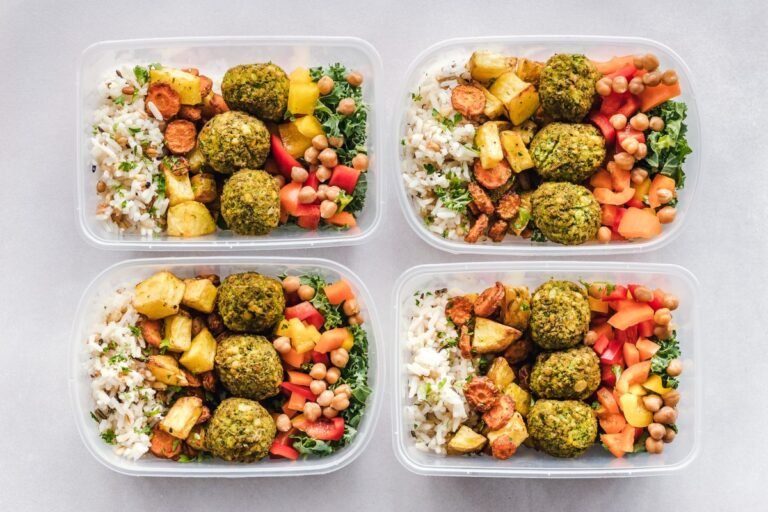
- M MCIRCO Glass Meal Prep Containers: Portioning lunches ahead of time keeps meals close to your target on busy days. Check price on Amazon
Frequently asked questions
How many calories should a 55-year-old woman eat?
Roughly 1,600 if mostly inactive, about 1,800 if moderately active and 2,000 to 2,200 if very active. Women in their 50s, taller women and women with more muscle may need a little more, so use your weight trend over a few weeks to fine-tune.
Is 1,200 calories a day too low after 50?
For most women it is hard to meet protein, calcium and other nutrient needs at that level, and it can cost muscle. If you want to try a very low calorie plan, do it with your doctor or a registered dietitian.
Does metabolism slow down after 50?
A large 2021 study found that energy use, adjusted for body size, stays stable from 20 to 60 and declines after 60. Most midlife changes come from losing muscle and moving less, both of which strength training and daily activity can address.
Should I eat back the calories I burn exercising?
Not all of them. Calorie burn figures from apps and machines are only estimates. If you are trying to lose weight, eat enough to fuel your workouts and recover, and let your weekly weight average guide any changes.
Sources and further reading
- How Much Should I Eat? Quantity and Quality, National Institute on Aging
- Metabolism and weight loss: How you burn calories, Mayo Clinic
- Basal metabolic rate, Wikipedia
- Daily energy expenditure through the human life course, PubMed Central
- Muscle loss and protein needs in older adults, Harvard Health
- Dietary Guidelines for Americans, 2025 to 2030, U.S. Departments of Agriculture and Health and Human Services
- Protein and Aging: Practicalities and Practice, PubMed Central
- About the Body Weight Planner, NIDDK
A quick note: this is general health and fitness information, not medical advice. Talk with your doctor before starting a new exercise program or changing any treatment.