
Best Protein Powder for Women in Menopause: What to Look For
This article contains affiliate links. As an Amazon Associate, we earn from qualifying purchases, at no extra cost to you. Learn more.
A good protein powder for women in menopause gives you 20 to 30 grams of protein per scoop, has little added sugar, and is third-party tested for purity. Whey isolate is the easiest to digest for most women and naturally rich in leucine, the amino acid that switches on muscle building. Pea or soy blends are good dairy-free choices. Powder is a convenience, not a requirement: it just makes it easier to reach the roughly 1.0 to 1.2 grams of protein per kilogram of body weight that experts suggest for women over 50.
| Type | Pros | Watch for |
|---|---|---|
| Whey isolate | High leucine, mixes easily, very low lactose | Not for dairy allergy |
| Whey concentrate | Cheaper, good taste | More lactose; can bloat some women |
| Casein | Digests slowly; good at night | Thicker texture; dairy |
| Soy isolate | Complete plant protein | Some women prefer to avoid soy; check with your doctor after breast cancer |
| Pea or pea-rice blend | Dairy- and soy-free | Lower leucine; choose 25+ g servings; check heavy metal testing |
| Collagen | Popular for skin and joints | Incomplete protein; not a substitute for muscle building |
How much protein do women need in menopause?
The standard recommendation for adults is 0.8 grams per kilogram of body weight a day. Expert groups such as the PROT-AGE Study Group and ESPEN recommend more for older adults: about 1.0 to 1.2 grams per kilogram, and more during illness or weight loss. That works out to roughly 0.45 to 0.55 grams per pound.
| Body weight | Daily protein at 1.0 to 1.2 g/kg |
|---|---|
| 130 lb (59 kg) | About 59 to 71 g |
| 150 lb (68 kg) | About 68 to 82 g |
| 180 lb (82 kg) | About 82 to 98 g |
Why more? Aging muscle becomes less responsive to protein, a change called anabolic resistance, and falling estrogen speeds muscle loss in midlife. Spreading protein through the day, with about 25 to 30 grams per meal, appears to work better than loading it all at dinner. See protein after 45 for meal ideas.
What should you look for in a protein powder?
- 20 to 30 grams of protein per serving. Enough to count as a real protein dose.
- About 2.5 grams of leucine, often listed on whey labels. Plant powders reach it with larger servings or blends.
- Little added sugar, ideally 5 grams or less.
- Third-party testing. Supplements are not FDA-approved before sale. Look for NSF Certified for Sport, Informed Choice or USP seals.
- A short ingredient list. Fewer gums and sweeteners usually means fewer stomach issues.
Are heavy metals in protein powder a concern?
They can be. Independent testers, including Consumer Reports, have found measurable lead in some protein powders, often higher in plant-based products, because plants absorb metals from soil. You do not need to panic, but third-party tested brands and not relying on multiple scoops a day are sensible steps.
When does protein powder make sense?
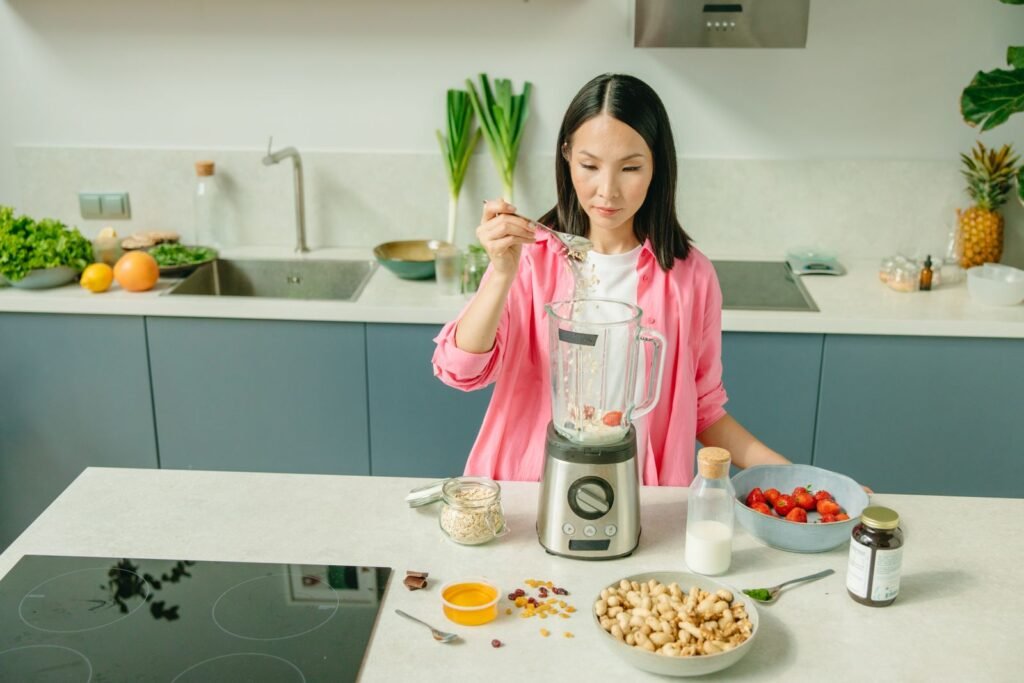
- Breakfast: blended into oatmeal, yogurt or a smoothie to reach 25 to 30 grams.
- After strength training: convenient when you will not eat a meal soon.
- Smaller appetite: a shake is easier than a large plate of food.
- During weight loss: extra protein helps protect muscle while you eat fewer calories. See why menopause causes belly fat.
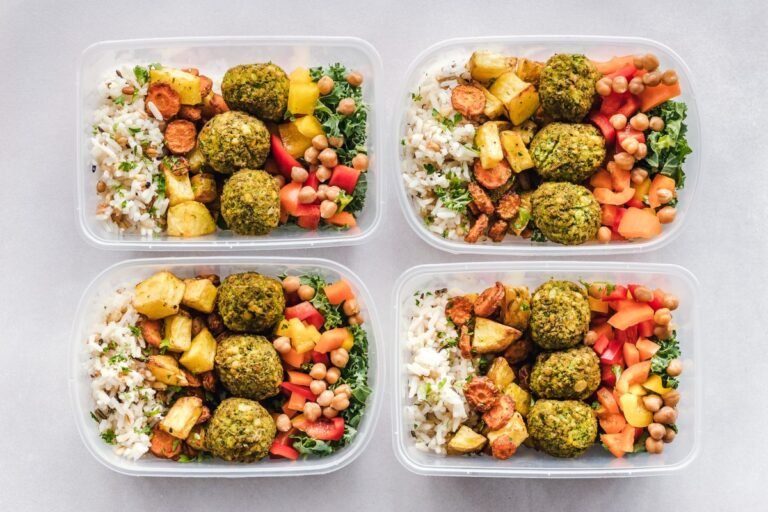
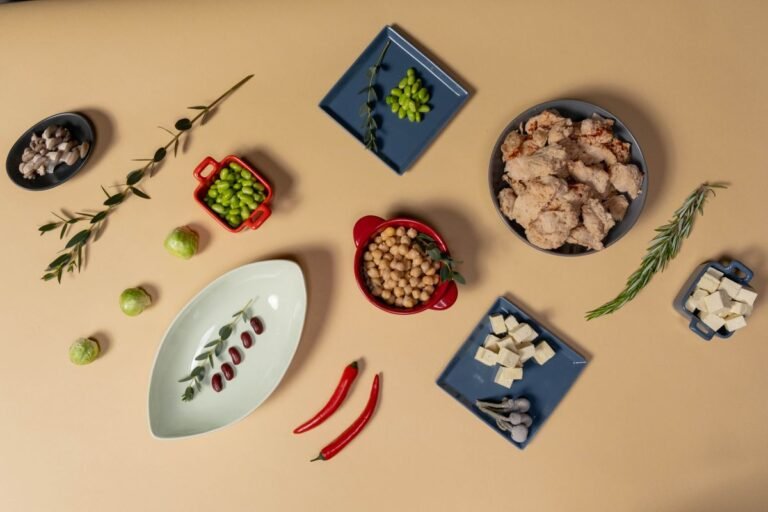
Food still comes first. Eggs, Greek yogurt, cottage cheese, fish, chicken, beans and tofu bring fiber, calcium and other nutrients powder lacks. See high-protein snacks for women over 50.
What could a day look like?
Here is one example for a 150-pound woman aiming for about 80 grams. Breakfast: oatmeal with one scoop of whey isolate and berries (about 28 g). Lunch: a large salad with salmon and chickpeas (about 30 g). Snack: Greek yogurt (about 15 g). Dinner: chicken stir-fry (about 25 g). Total: about 98 grams, with powder covering only one meal.
Who should check with a doctor first?
- Kidney disease: higher protein intakes may need limits.
- History of breast cancer: ask about soy products, though moderate soy food is generally considered safe.
- Milk allergy or lactose intolerance: choose isolate or plant protein.
- Taking GLP-1 medications: protein needs are especially important to protect muscle during fast weight loss.
Protein works best with strength training. Start with our beginner strength plan for women over 45.
How much protein do women over 50 really need?
Exercise physiologist Dr. Stacy Sims and orthopedic surgeon Dr. Vonda Wright discuss protein needs for women over 50 and why they rise in midlife.
Which protein products are worth considering?
These match the checklist above: a solid serving size, third-party testing and an easy way to use them. Our picks:
- NSF Certified Whey Protein Isolate: High in leucine and low in lactose, with independent testing for what is on the label. Check price on Amazon
- Third-Party Tested Plant Protein (Pea and Rice): A dairy-free option. Choose one with published heavy metal testing and at least 25 g per serving. Check price on Amazon
- BlenderBottle Shaker: Mixes powder smoothly in seconds, handy for the gym bag. Check price on Amazon
- Digital Kitchen Scale: Takes the guesswork out of protein portions for a week or two while you learn what 25 g looks like. Check price on Amazon
Frequently asked questions
What is the best protein powder for menopause weight loss?
One with 20 to 30 grams of protein, little sugar and third-party testing. Whey isolate is a strong default; pea or soy blends work if you avoid dairy. Protein helps by keeping you full and protecting muscle, not by burning fat directly.
Is whey or plant protein better after 50?
Whey has more leucine per gram, which helps muscle building, but plant blends work well when servings are large enough. Pick the one you digest well and will use consistently.
Is collagen powder good for menopause?
Collagen lacks some essential amino acids, so it does not count fully toward muscle-building protein. It can be an extra, not a replacement.
Can too much protein hurt your kidneys?
For people with healthy kidneys, intakes in the 1.0 to 1.6 g/kg range are generally considered safe. If you have kidney disease, ask your doctor.
Sources and further reading
- Evidence-based recommendations for optimal dietary protein intake in older people (PROT-AGE), Journal of the American Medical Directors Association
- Dietary Supplements: What You Need to Know, NIH Office of Dietary Supplements
- NSF Certified for Sport, NSF
- Menopause Patient Education, The Menopause Society
A quick note: this is general health information, not medical advice. Talk with your doctor before starting, stopping, or changing any treatment.

One Comment